Expat Eyes

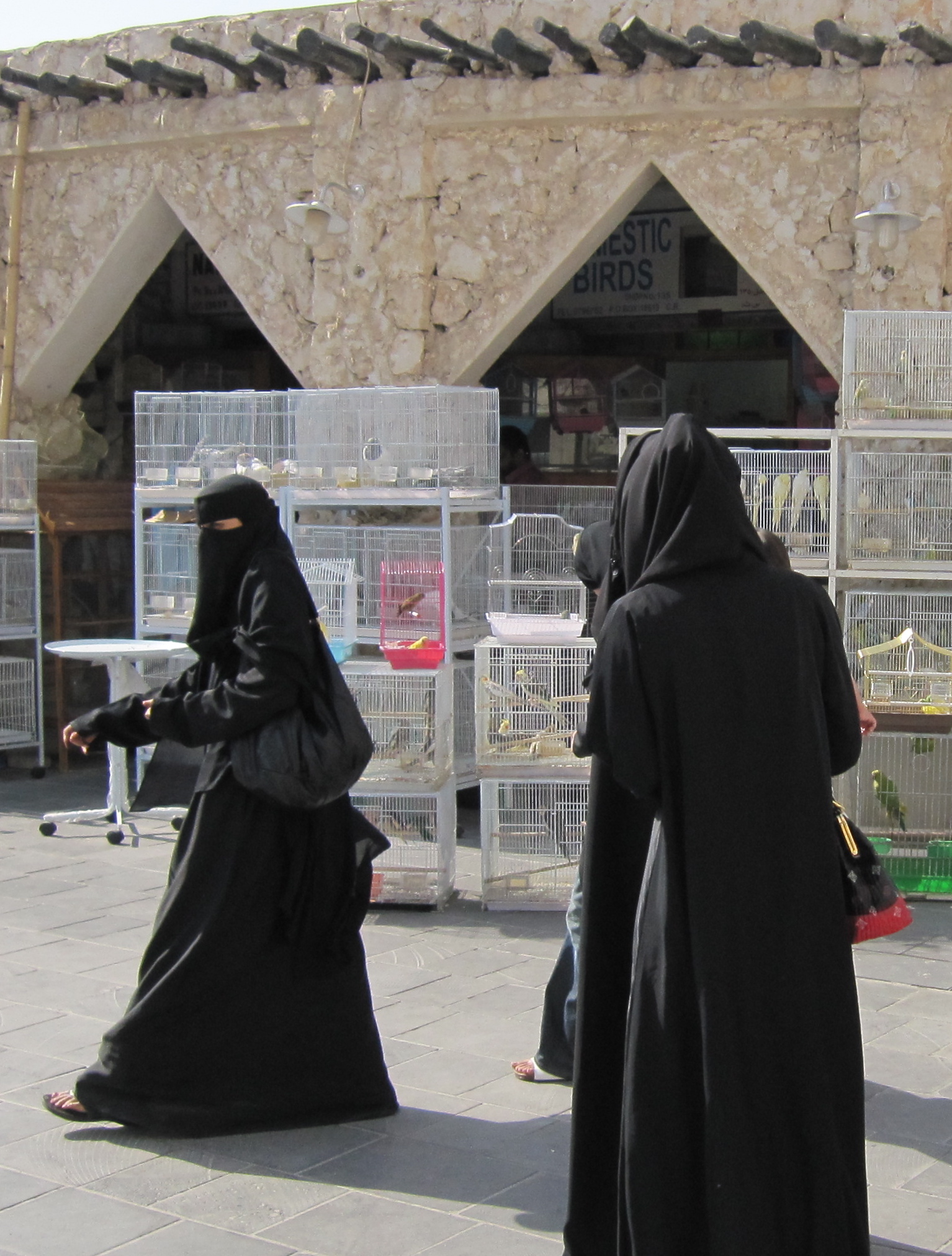
This blog contains the photographs, observations and reflections of Rena Diana, an educator and writer, during extended stays in the Arabian Gulf, China, and Mongolia.

Archive for the category “Middle East”

Cocktails Anyone?

“The Sheikh, being much concerned over the risk his family was running in the plague-stricken town, had taken the precaution of having in six bottles of brandy, the most convenient medicine he could obtain….But on one luckless night, when his wife happened to enter there, she espied the brandy lurking in a dark corner. Being a lady of marked religious convicitions, she at once called to mind the words which the Prophet has pronounced against alcoholic liquors, and without much ado opened the bottles and poured out their contents upon the floor.”

Gertrude Bell, 1894

I forgot the sixth most frequently asked question. (See the January 23 Post, Five Frequently Asked Questions) Can expats drink alcohol in Muslim countries like Dubai and Qatar? The answer is a simple yes. Explaining how and where is more complicated.

Muslims are not supposed to drink alcohol. As to whether they actually abstain, I cannot speak from firsthand experience, as I have never been with a devout Muslim in a situation where he or she might be tempted to partake. On the other hand, secondhand sources, such as contemporary memoirs and novels as well as anecdotal evidence shared by our friends here, indicate that many do indeed drink alcohol- some heavily- in the privacy of their homes. I have heard it said that they even go to the bars where westerners flock, but they are not wearing their Arab attire when they are there. Muslims incognito, so to speak.  My guess is that adherence among Muslims to this religious commandment is not unlike Christians, Jews, Buddhists, and Hindus to theirs: inconsistent and certainly not universal. Gertrude Bell’s remark above refers to a visit to Persia, where the rules were not as strictly enforced. For example, on several occasions she mentions the “fragrant wine of Shiraz” and “the choicest of the forbidden juices of the grape”. Throughout the narratives  of  Thesiger and Stark, who travelled almost wholly in the Arabian Gulf, on every social occasion they drank weak hot tea, camel milk, and cardamom flavored coffee. Never a mention of alcohol.

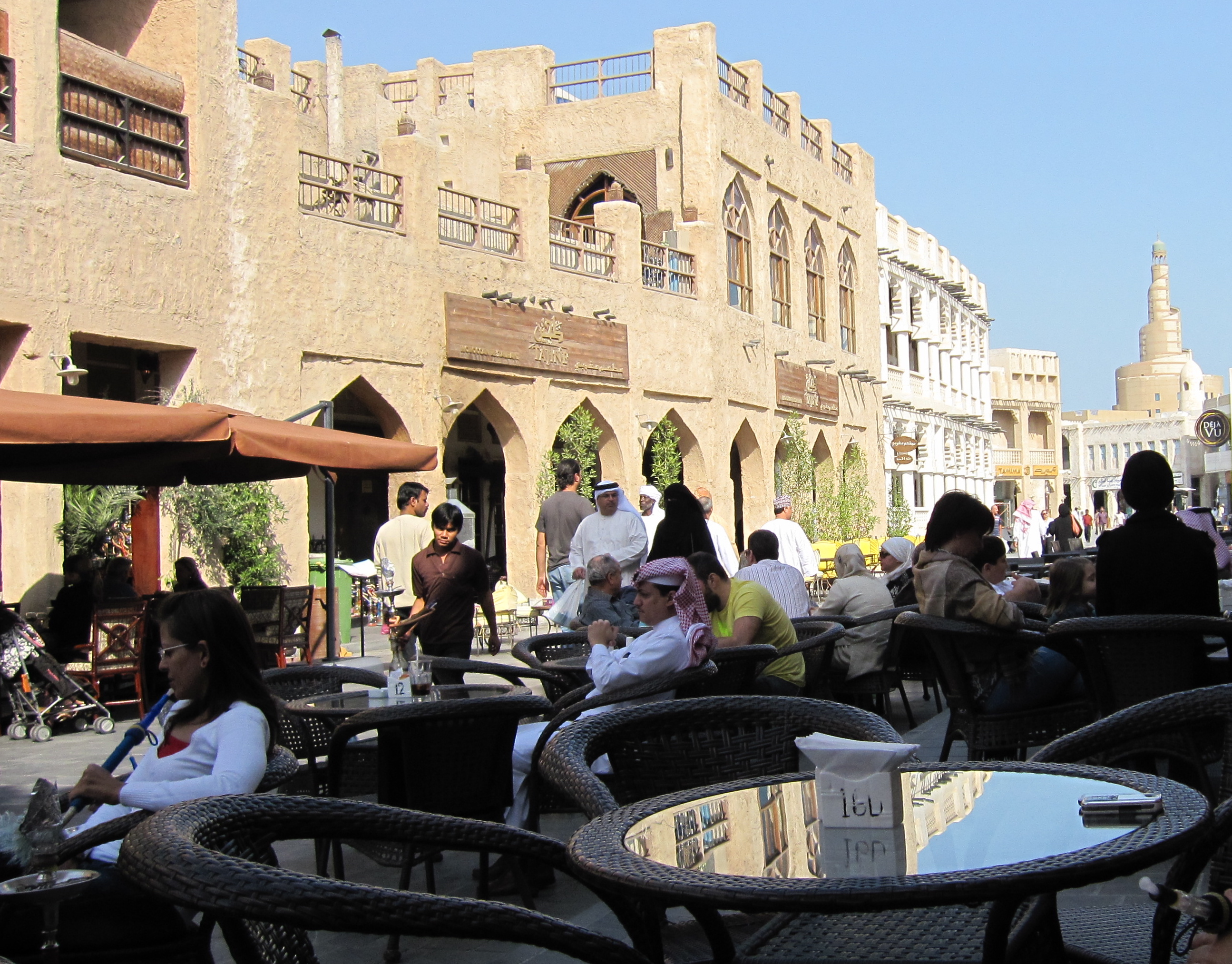
On a related note, in public settings, Muslims, both men and women, enjoy smoking shisha or hookah pipes, sometimes known as Hubbly Bubbly. Tourists often assume they are smoking marijuana, but this is not the case. The smoke is flavored with herbs “made to order”. It is a rather elaborate process, involving combining herbs and tobacco, heating water in a glass container, and connecting long tubes to a pipe. The pipe is usually shared among friends and family members, and it is an enjoyable, relaxing social custom among Arabs. I often see groups of women out together smoking shisha pipes, laughing and trading tales. These Arab women get just as lively as we American women do, all talking at once!

Back to alcohol. Expatriates in both Dubai and Doha must first go through a lengthy process to obtain Residency Permits. Without those, you cannot do anything. You cannot even stay here for more than a month. For Dubai, I had to go through multiple hoops, including trips to the US State Department AND the courthouse in the capital of the state where we were wed for new official signatures on our original marriage certificate, to prove I am actually married to my husband, since he was “sponsoring” me. But that is another story.

Only after you have your Residency Permit can you apply for a License to Purchase Liquor. In Dubai, there are liquor stores tucked in out-of-the-way places behind certain grocery stores. They don’t make it easy! You have to really want it in order to go to the trouble to buy it!  As for places to drink, restaurants in hotels and other mostly expat areas, like Palm Jumeirah, serve alcohol. Dubai markets itself as a tourist destination, so it is fairly accommodating as it woos international travelers who want to shop in the up-scale stores and frolic on the beach. BUT do not drink on the beach! There is a limit to the government’s tolerance, and drinking outdoors in public areas is simply not permitted.

Qatar is a more conservative Muslim country, focusing on education, sports and the arts more than finance and tourism. Only restaurants in international hotels serve alcohol, along with those “off-shore” on the Pearl Island.  And, up until recently, there has been only one liquor store in the entire country. That’s right. One. And it is in the middle of the desert, right next to the non-descript building that serves as the Catholic Church. Intentional? Probably. Qatar is in the process of building a liquor store on The Pearl, so that makes a grand total of two.

Procuring an Alcohol License in Qatar is an even longer, more involved process than in Dubai. Among other things, your employer has to write on the form how much money you earn each month. How much alcohol you are allowed to purchase depends on how much you earn. Some assume that this is an attempt to prohibit the migrant workers from becoming intoxicated.  I do not know. No comment. Needless to say, our allotment, as with all professional expats, is relatively high. Embarassingly so. How much do they think we drink? Whatever the case, on our first trip to this warehouse size store- as well supplied as one anywhere, by the way- we were soon to host an office party. Therefore, we filled a grocery cart to overflowing with bottles of wine, beer, vodka, scotch, etc. We needed assistance from the porter at our apartment to get it onto a trolley, across the lobby, and into the elevator. For the first- and only- time in my expat experiences, I confess I felt a bit like the stereotype of “the brash, showy American…” That has not kept us from going back to the liquor store and having more parties, however!

Next Post: Windtowers to Skyscrapers
Mind Your Manners

“You might think Casablanca’s modern with its chichi stores and ritzy cars, but under that façade it’s raw…it’s tribal. Never forget that.”

Tahir Shah, Caliph’s House

Casablanca. Beirut. Cairo. Dubai. Doha. This comment made by Tahir Shah applies to all the modern cities in the Middle East. Travelers who do forget where they are can face some unpleasantness.  An English couple who engaged in PDA on the beach in Dubai in 2008 was put in jail. Likewise an American acquaintance of ours in Doha who argued with security authorities over some mundane matter. Never has my mother’s message to “mind my manners” been more relevant! At worst, you face incarceration or expulsion for ignoring the rules here- stated and unstated. At the least, you risk being regarded as an uncouth, ignorant American. But this is common knowledge about life in Muslim countries. What about the more subtle codes of conduct?

I attended a workshop with a Cultural Interpreter of sorts, a distinguished and witty Emirati man, who explained expectations for both professional and social situations. There are three key points to bear in mind at all times, the underpinnings of the Gulf Arab society. David Lamb, in The Arabs- Journey Beyond the Mirage, puts it succinctly:

“We are Bedouin. We are tribal. We are Islamic.” 

Desert. Family. Religion. These three strands are woven into the fabric of day-to-day life. First and most important, is an understanding of Islam. Jeremy Williams commented in Don’t They Know It Is Friday?:  

 “A Muslim believes that God’s hand is present in every occurrence on earth. Nothing happens without God ordaining it.”

So when they say “Insha’Allah” (if God wills it), from ordinary conversations to more inflamed, political circumstances, they really mean it. You hear this phrase constantly. From taxi divers: Me-“Please take me to Bastakia.”- Driver-“Insha’Allah.”  From store clerks:  Me- “Do you sell this type of lotion here?” Clerk- “Insha’ Allah.”   From my Iraqi pottery teacher, Zaineb:  Me-“Will this piece be glazed and fired in the kiln by next week?” Zaineb- “Insha’Allah.”  In an interview on Al Jazeerah News: Reporter: “Will the conflict in Bahrain subside soon?” Official- “Insha’Allah.” You get the picture. I do not mean to trivialize this. I have great respect for their open and frequent expressions of faith. They believe that we humans are not in charge, no matter how good our intentions, how careful our plans, and how diligent our efforts.  An unsettling thought. One we recognize as true but would like to forget. Here you can’t.

Professional Settings: So how does this play out in business deals? Well, for starters, do not expect a meeting to begin at the appointed moment- or hour. Do not try to control time (thus, people). Our speaker told us that Arab businessmen find it more challenging to work with “linear” (his words) thinkers as opposed to “circular or global” thinkers. They do not adhere to punctuality and strict agendas at meetings. They do not like to rush, and they do not understand the Western insistence on sticking to scripted “bullet points”. What is the hurry? And what if the dialogue meanders down a different, more meaningful path? Many westerners tend to consider this approach vague, inefficient, and frustrating. More cynical types consider it evasive, even lazy. In my view, it is simply a call to be more patient and more flexible. “Insha’Allah.”

           “Time ceased to be…But somewhere people in offices continued to hold to the illusion of hours…”

Freya Stark, Baghdad Sketches

The Gulf Arabs’ more elastic and fluid sense of time is more than a matter of deference to the almighty power of Allah. It has evolved from their roots in the desert and at sea, where they live by the sun and the moon.  And you see examples of this cultural mindset everyday, all day long. So, I tell myself, ease up, slow down, breathe….

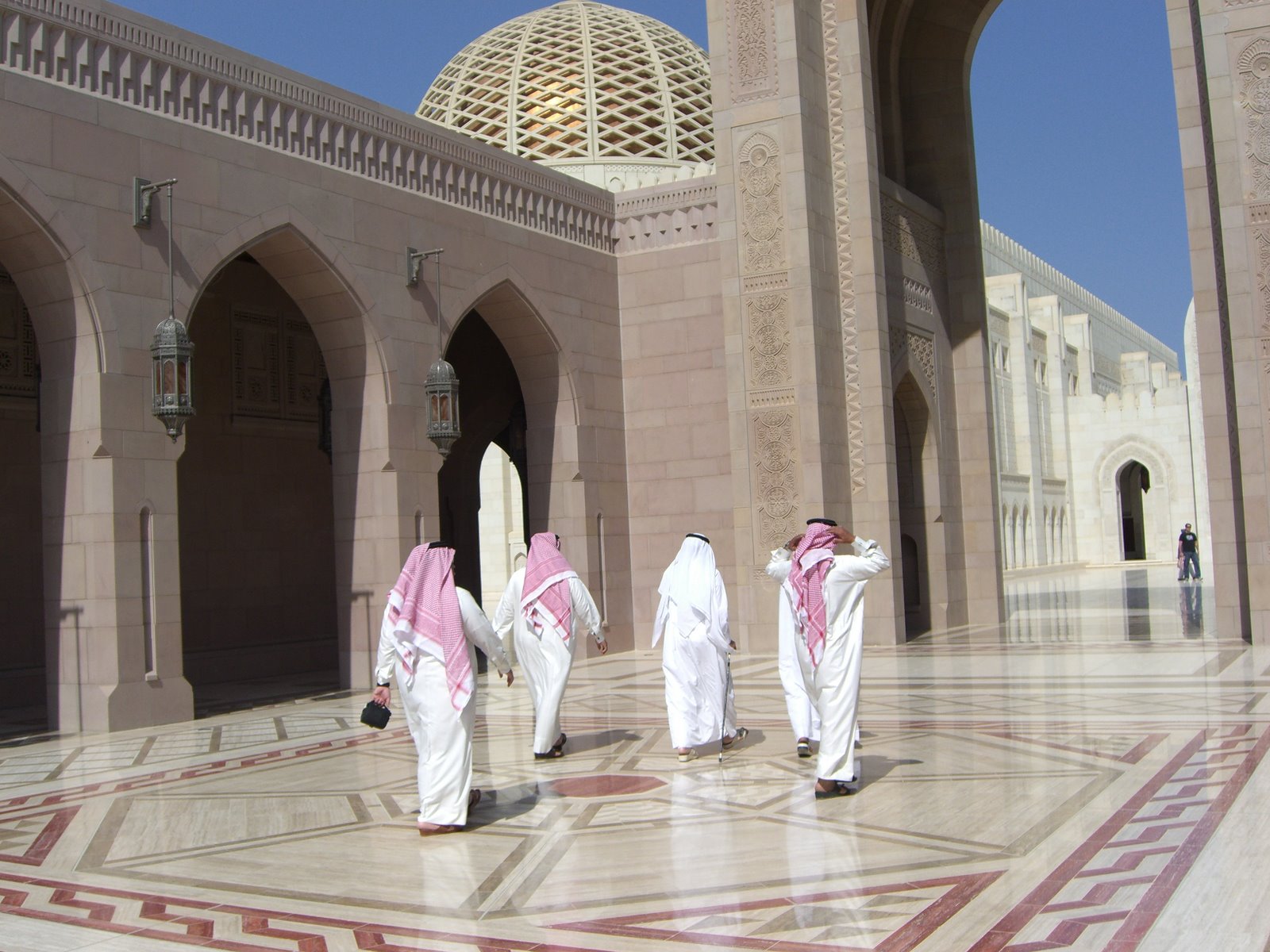
The Bedouin mentality and the focus on family are also evident in business settings. Arabs pride themselves on being hospitable above all else, to both friends and enemies.  The code of honor in the desert is to feed and shelter even hostile visitors for a minimum of three days.  They are civilized, formal and cordial in their dealings.

         “There is always something royal in the manners of the desert.” Freya Stark, Baghdad Sketches

“As long as people call on you, you will prosper, the Bedouin firmly believe, so every person who comes to you deserves a welcome and respect.”          Marguerite van Geldermalsen, Married to a Bedouin

Gulf Arabs consider it rude to begin meetings without first exchanging social greetings, asking about one’s family and general well being. This exchange of pleasantries may last quite a while. And once the meeting finally begins, they have one habit that is surprising- and annoying- to most of us. Since the importance of family over-shadows every other concern among Arabs, they keep their mobile phones on during meetings, answer them, and sometimes have extended personal conversations while the meeting is in session. It would never occur to them to turn off their phones, in case a family member needs them. 

Our teacher made a final point about professional collaboration. It is vital among the Gulf Arabs to honor a person’s dignity. Never embarrass a colleague. “Public praise. Private criticism.” I suspect it can get tricky to discern the line between questioning another’s viewpoint and criticizing him or her. A delicate dance.

Social Settings:  All of the above “rules” apply. Additionally, it is impolite to decline any coffee, food, or gifts offered. Accept their gracious hospitality.

Men should not shake a Muslim woman’s hand unless she initiates the gesture. Also, it is highly inappropriate for a man to compliment the wife of an Arab – “Your wife is so charming, so attractive…”- or for a woman to compliment an Arab friend or colleague’s husband. There are many layers to marital relations and to relations between the sexes in general.  Always true, but especially here.

Speaking of compliments, the most intriguing tip we were given has to do, again, with the Muslim faith. The term “masha’Allah” means, “praise God” or “thanks be to God.” Gulf Arabs do not like to take credit for any good fortune that comes their way, be it financial success, a promotion, a new car, or a handsome watch. They find it offensive to feel proud. In turn, the person giving the compliment might appear envious- quite gauche. So, if you are inclined to comment on a piece of jewelry or an accomplishment, be sure to add “masha’Allah.” For example, “Those are beautiful pearls, “masha’Allah.” The response will be, “Thank you, masha’Allah.” —-You can’t envy God, after all.

So, to sum up:
Be patient.
Count to ten. Or to one thousand.
Be flexible.
Be humble.
Be gracious.
Be discreet.
When in doubt, be quiet.

Thank you, Mother. You were right!  And good manners are, in essence, universal.

I will end this post with one of my favorite sayings, speaking of tuning into nuances and ambiguities, from an amusing little book of Arab proverbs: Apricots Tomorrow compiled by Primrose Arnander and Ashkhain Skipwith

“No answer is an answer.”

Next Post: Cocktails Anyone?

Construction in a Caravan Culture


“We do not live in palaces. We can build new homes by nightfall.”

Tahir Shah, Caliph’s House

“Don’t bother yourself with concrete floors, you can’t take them with you.”

Marguerite van Geldermalsen, Married to a Bedouin


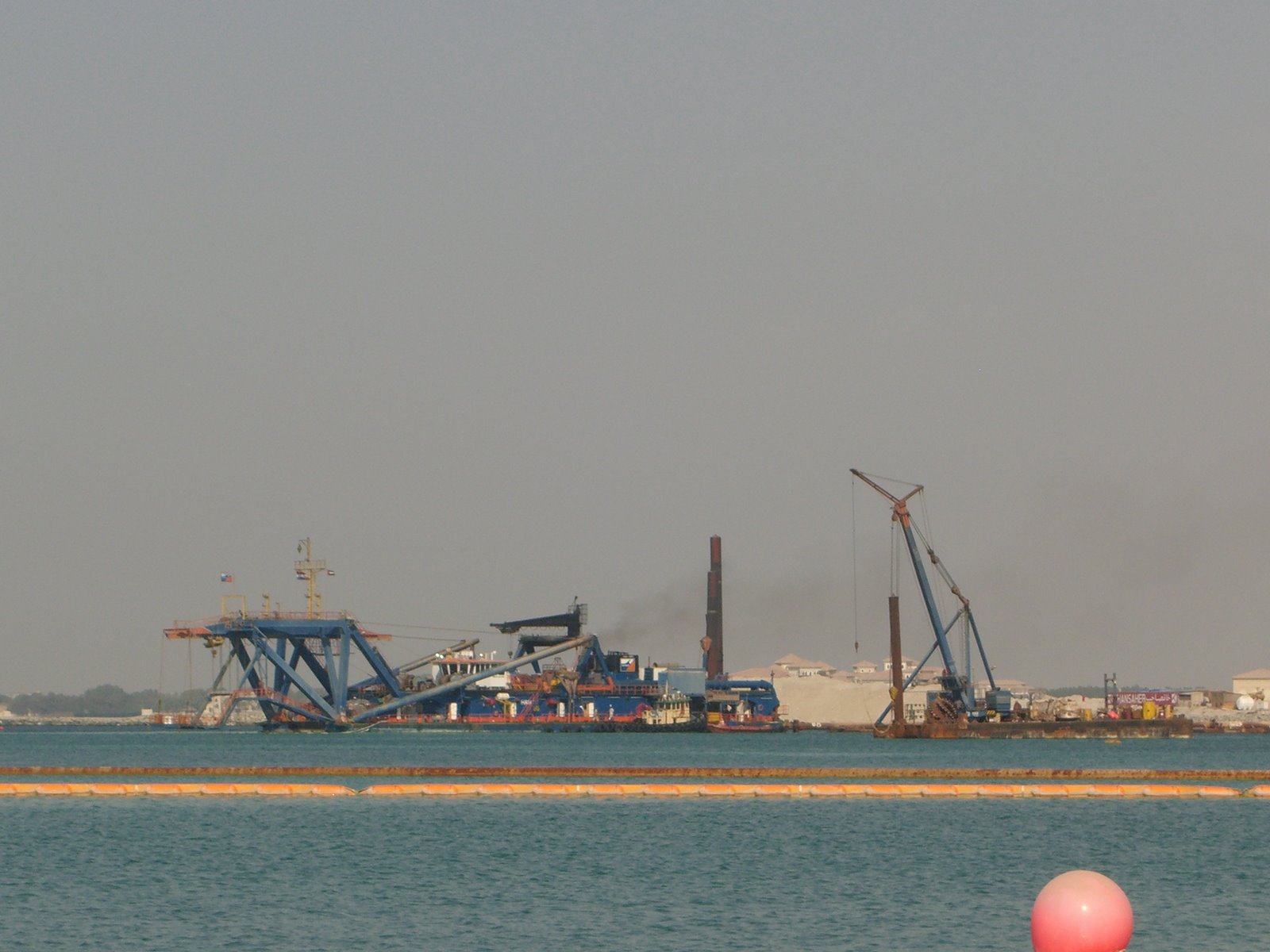
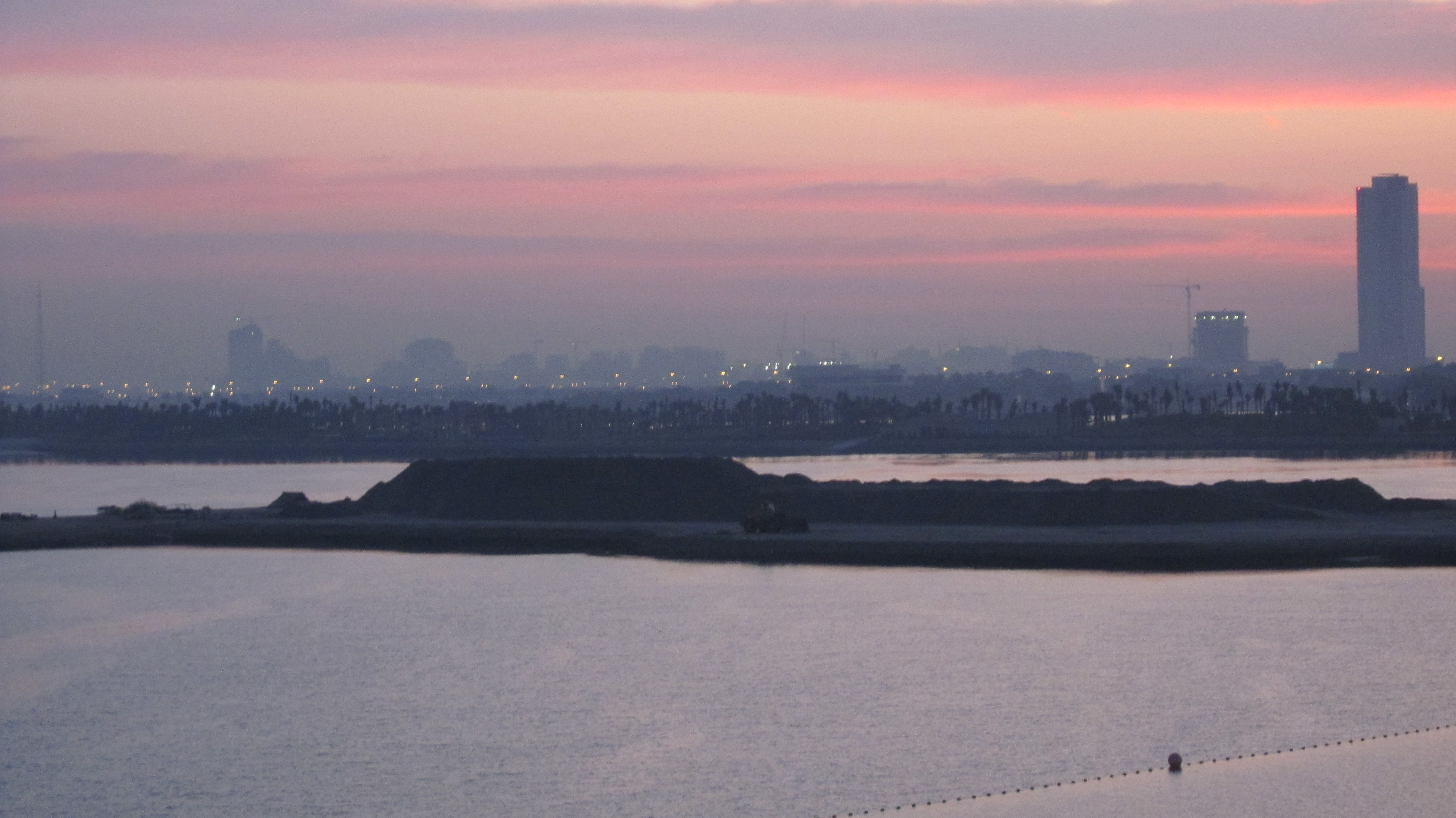
Journal Entry, November 2008, Dubai, Palm Jumeirah: Activity everywhere. Dredging machines. Bulldozers. Dump trucks. Backhoes. Construction vehicles lurch about like gigantic prehistoric creatures.

Caterpillar Serpents writhe through the water sucking up and spitting out sand.  Praying Mantises pick up tiny bits of rock. Monster Mosquitoes circle, buzz, and pierce with their sharp stingers.

From our apartment on this man-made island, a phrase that still confounds me, I am observing the engineering of a sand pier extension. A workman pulls a prayer rug out of his truck, bends down on his knees, placing his forehead on the ground, facing west toward Mecca, as the muezzin’s call to prayer reverberates throughout the city.

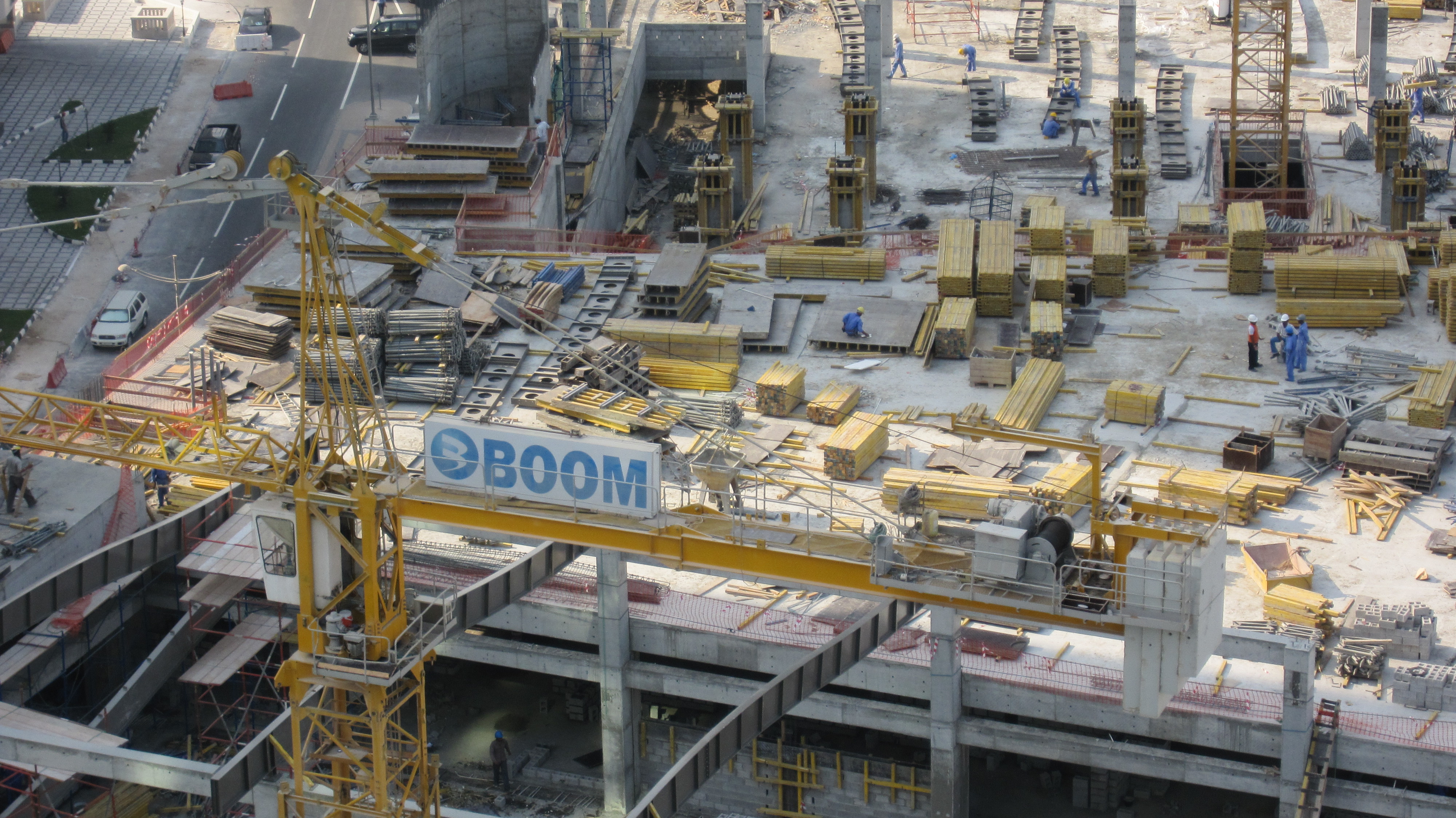
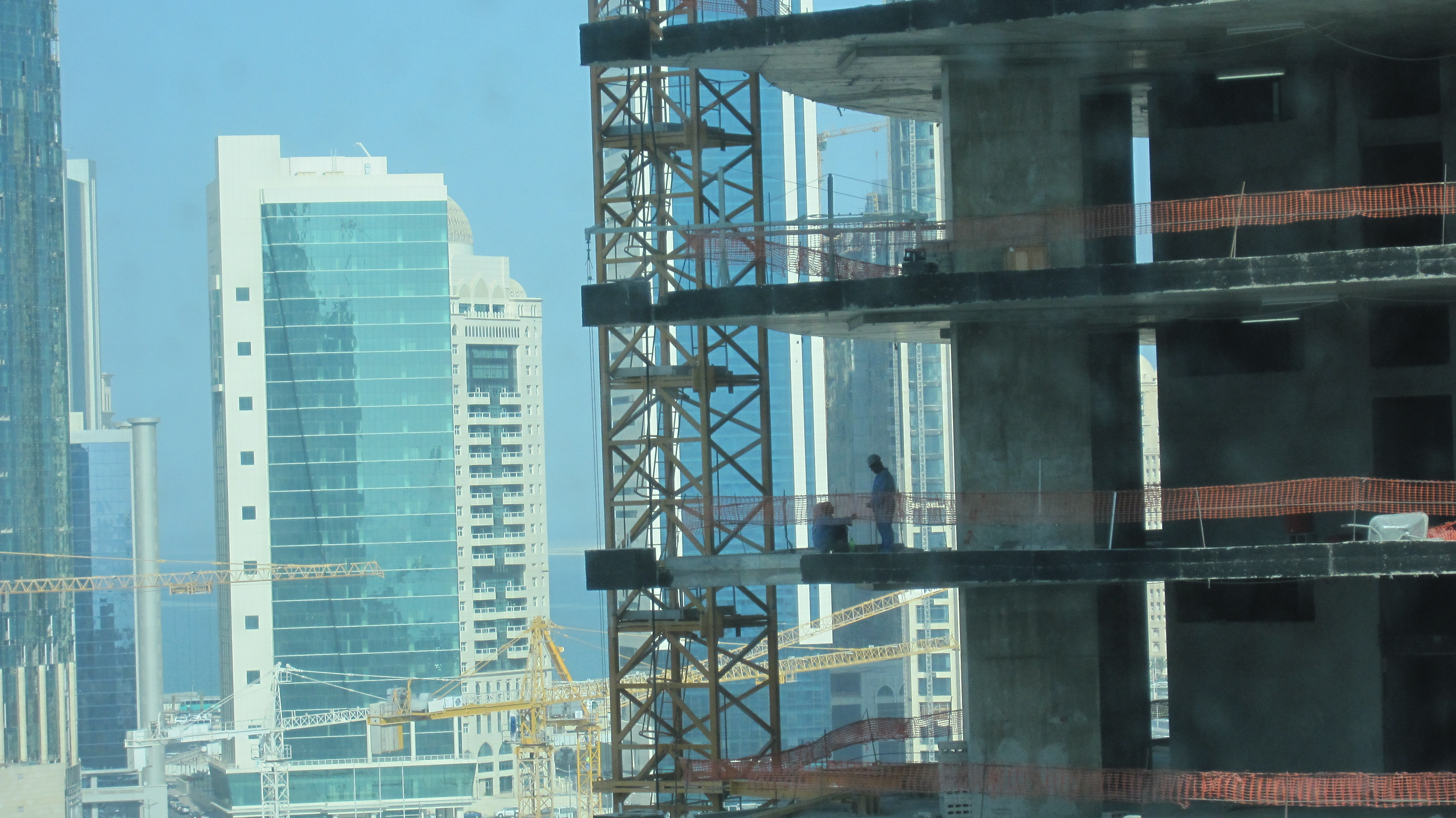
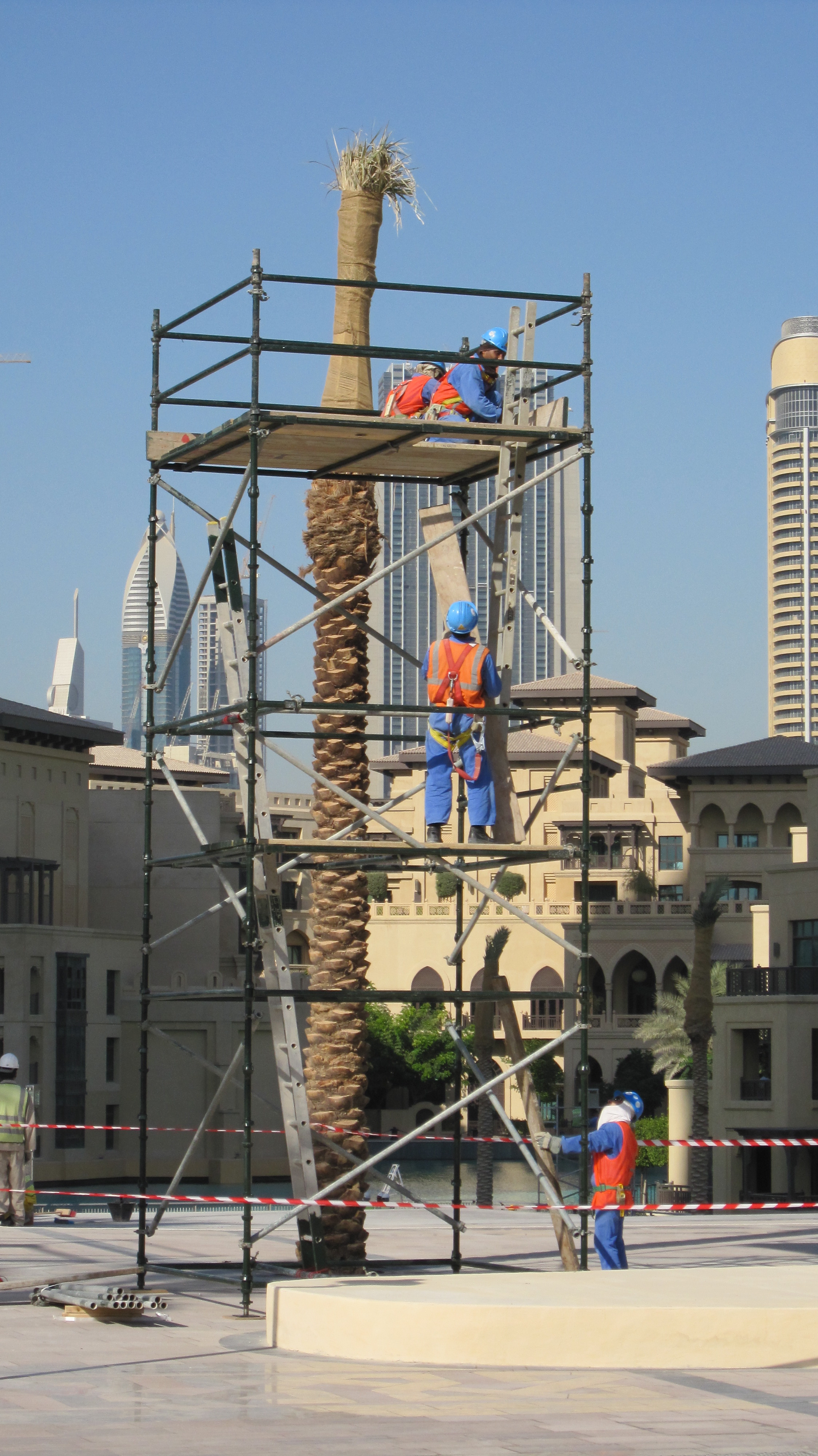
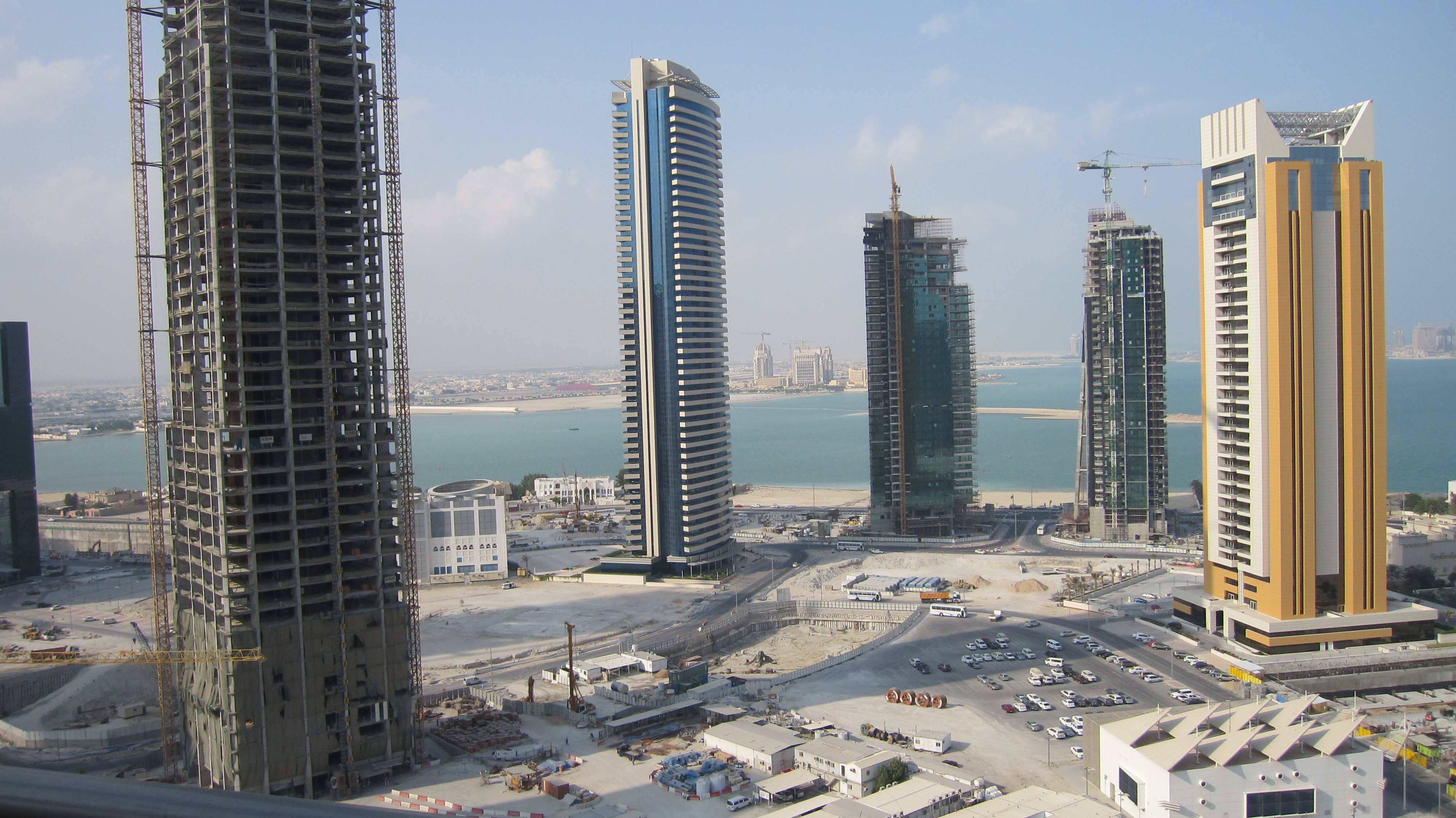
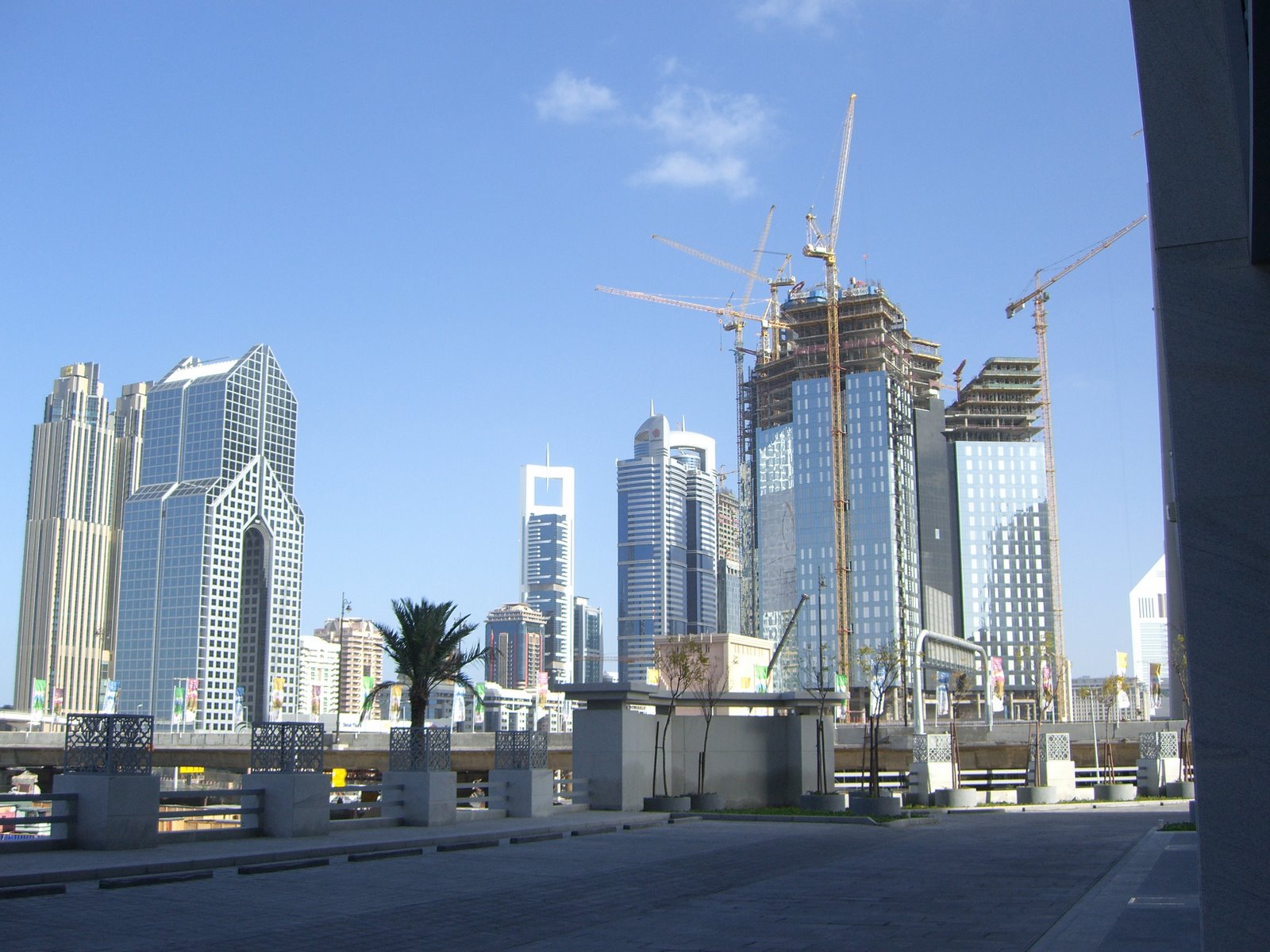
Journal entry, November 2010, Doha, Qatar: From our apartment on the 23rd floor, the city is rising right before our eyes, with the sparkling turquoise Arabian Gulf as a backdrop. Two cranes swing their arms in slow motion, one reaching up 27 floors high, the other hovering at 10 stories.  Wearing blue jumpsuits and yellow or orange construction helmets, laborers are perched on floors without walls. One, with a scarf wrapped around his face to keep out the sand and the sun, is crouching on his heels near the cement foundation, staring into the distance. Nearby several others are erecting a scaffold. Three climb up the poles while one man holds the flimsy structure together. Across a parched patch of sand dotted with a few stiff shrubs, there is a 35-story commercial building nearing completion. A cluster of workmen are sitting on the top floor, dangling their legs over the sides, eating their lunches out of paper bags.

These men, primarily South Asian, are a virtually invisible part of the everyday landscape in Dubai and Doha. Worker bees on machine bees. Human machinery. They are the individuals actually building these cities. I wonder about them. What are their names? What have they left behind? Whom do they love? Who loves them? How do they understand their roles in this massive enterprise, this empire unfolding? How will they tell their stories?

The construction frenzy gets at the heart of certain tensions that I feel here. First, I ask myself why, after being mobile and unencumbered, these Gulf Arabs are now building massive villa compounds and commercial centers that will tie them down to one place?  And at what cost to them? Are they losing their toughness, flexibility and spirit? Their aversion to things fixed and permanent?  Their freedom? On the other hand, it makes sense that the speed with which these buildings are appearing does not disturb them whatsoever.  Wilfred Thesiger spoke of Bedouins as having the ability to wait patiently years and years for certain events to occur, and then to move decisively and quickly. They survive by their cunning and adaptability. I see what he means.

Second, the disparity between the rich and the poor is evident in all big cities, but here it just smacks you in the face all day long. We expats and the nationals go about our easy, comfortable days in air-conditioned spaces, while all around us these “imported” laborers toil in dangerous situations to create the roads, sidewalks, offices, hotels, stores, houses and infrastructure to make this lifestyle possible.

This bothers me. I hope it always will…

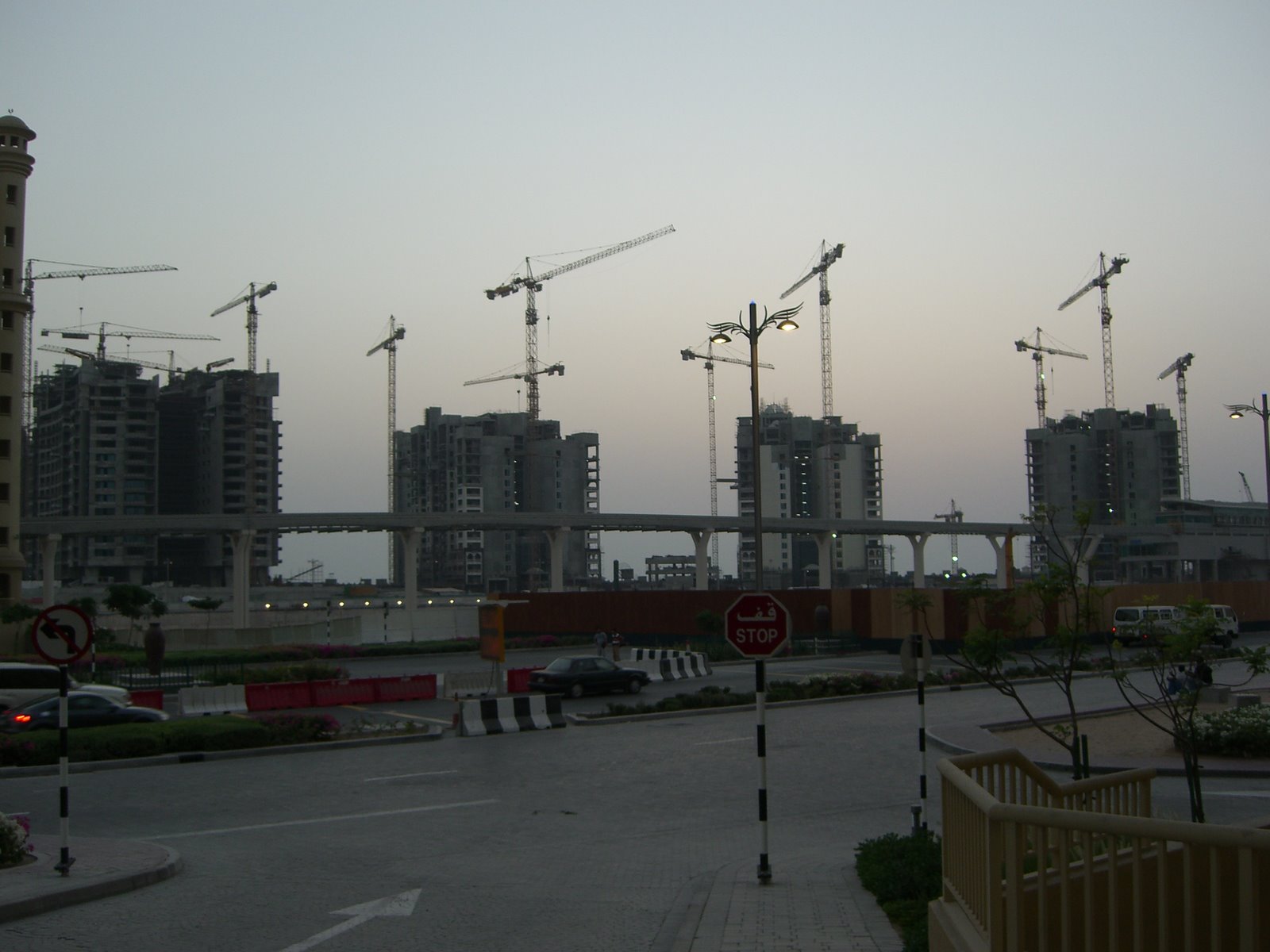
“The joke around here is that the crane should be designated as Dubai’s national bird.”

Sheikh Mohammed bin Rasheed al Maktoum

Wall Street Journal  January 12, 2008


What’s In A Name?

“No race in the world prizes lineage so highly as the Arabs and none has kept its blood so pure.”

Wilfred Thesiger, Arabian Sands, 1959

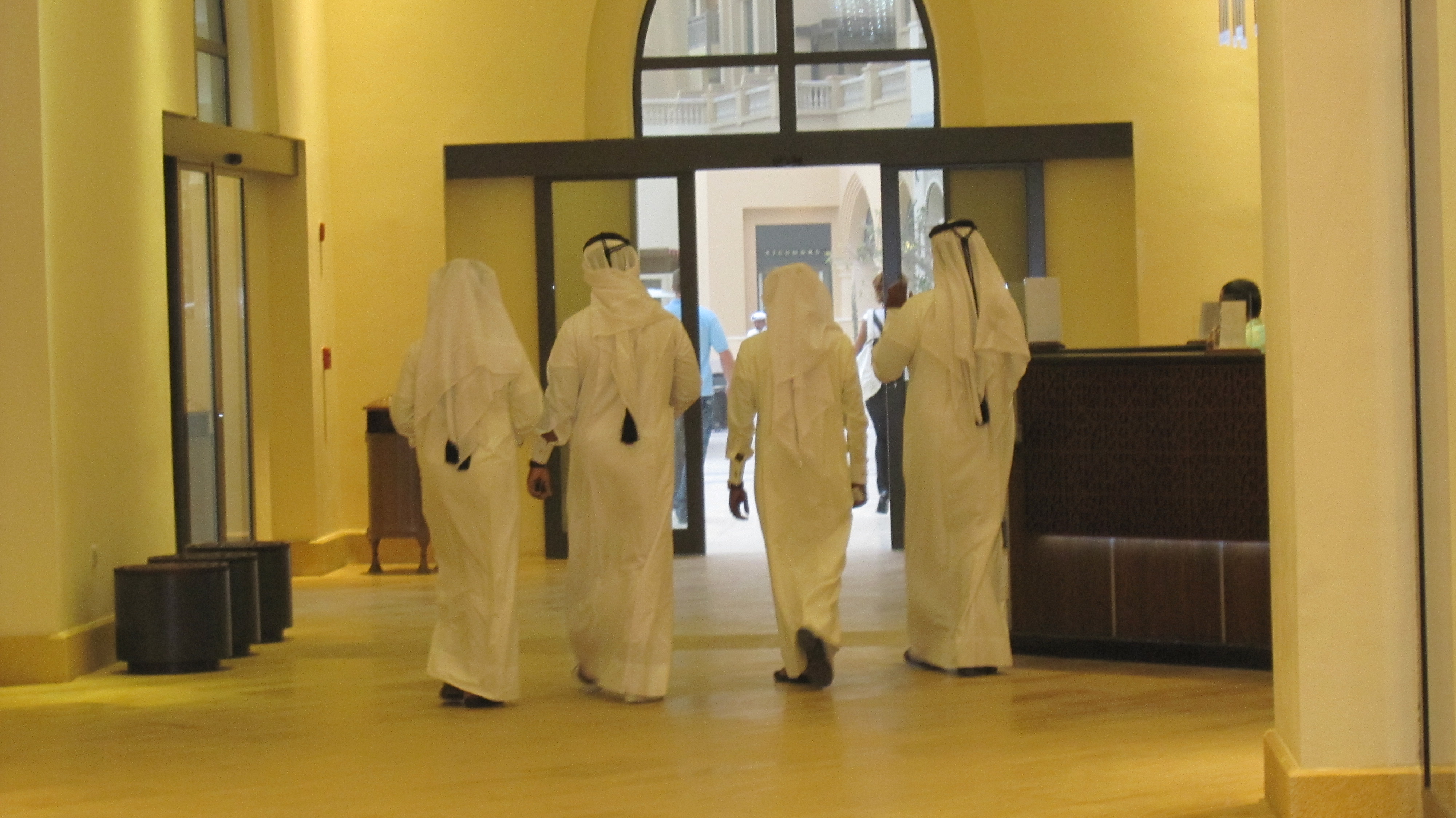
One of the first challenges in arriving in the Middle East is trying to decode and pronounce the long names. It seems rude and lazy to mumble them or to avoid saying them altogether, and worse yet to call people by the wrong names.  When I first started teaching, I was so daunted by the fifteen seemingly identical men in white gowns (thobes) and headscarves  in my class with their complicated names, that I wrote notes to myself about their appearance and my own version of a pronunciation system, so I could sort them out. Saleh: “SAY-luh, with the sharp wit and expressive face”.  Jalal: “Juh-LAL- easy-going manner and  smiling eyes”.  Ahmad: “AH (with a little coughing sound)-med, who asks many questions”.  Fortunately, one only needs to call them by their first names!

I soon learned that there is indeed a pattern to Arabic names.  For men, “bin” ( or “ibn”) following the first name  means “son of” and is followed by the father’s first name, which is then followed by “al” which means “from the family of.” For example, the sheikh of Dubai is Mohammed bin Rashid al Maktoum.  His father was  Rashid bin Saeed al Maktoum.  One of Sheikh Mohammed’s sons is Hamad bin Mohammed al Maktoum. The Qatar “emir,” another term for sheikh used more frequently among Qataris,  is Hamad bin Khalifa al Thani.  His father was  Kahlaifa bin Hamad al Thani. One son of the Emir is Tamin bin Hamad al Thani. There are only a few Arab names. Mohammeds, Khalifas, Thanis, Hamads,  Abdullahs, and Hassams abound. Therefore, this naming system allows one to unravel the puzzle of a person’s lineage. And family is absolutely central in the Arab culture, the key to a person’s identity, the most important of all qualifiers.

It is interesting to note that women keep their father’s family names when they marry. After a woman’s first name is “bint” followed by her father’s first name, then “al” referring to the father’s family name. For example, the third wife of Sheikh Mohammed is Haya bint Hussein. (She is the daughter of the late King Hussein of Jordan.)  The second wife of the Emir of Qatar is Mozah bint Nasser al Missned. This custom means that a couple never has the same family/last name, unless they are cousins, a common arrangement in royal families, which makes things even more confusing! A child never takes on his mother’s family name. In fact, it is impossible to determine who the mother of any individual is in the Arab world unless you are a personal acquaintance or it is a famous, usually royal, family who has made its records public, which is rare. Thus, you will not be able to identify the mother of any individual.

At first, I found this strange, but I quickly realized I was over-simplifying, tangled up in cultural nuances and assumption. Many women in the United States keep their so-called maiden names and give their children either hyphenated last names or only their husbands’ names. In other words, they are joining what is called the patrilineal genealogical structure of Asia and the Middle East, where there are no recorded birth lines to the mother’s family. It is easy to get trapped into dualistic thinking. “They do it that way in the East. We do it this way in the West.” The lines are blurred. And there is no one right way.

Next post: Construction in a Caravan Culture

Pausing at a Crossroads


 “…the secret mysterious life of the East flows on- a life into which no European can penetrate, whose standards, whose canons, are so different from his own that the whole existence they rule seems to him misty and unreal, incomprehensible…” Gertrude Bell, 1894

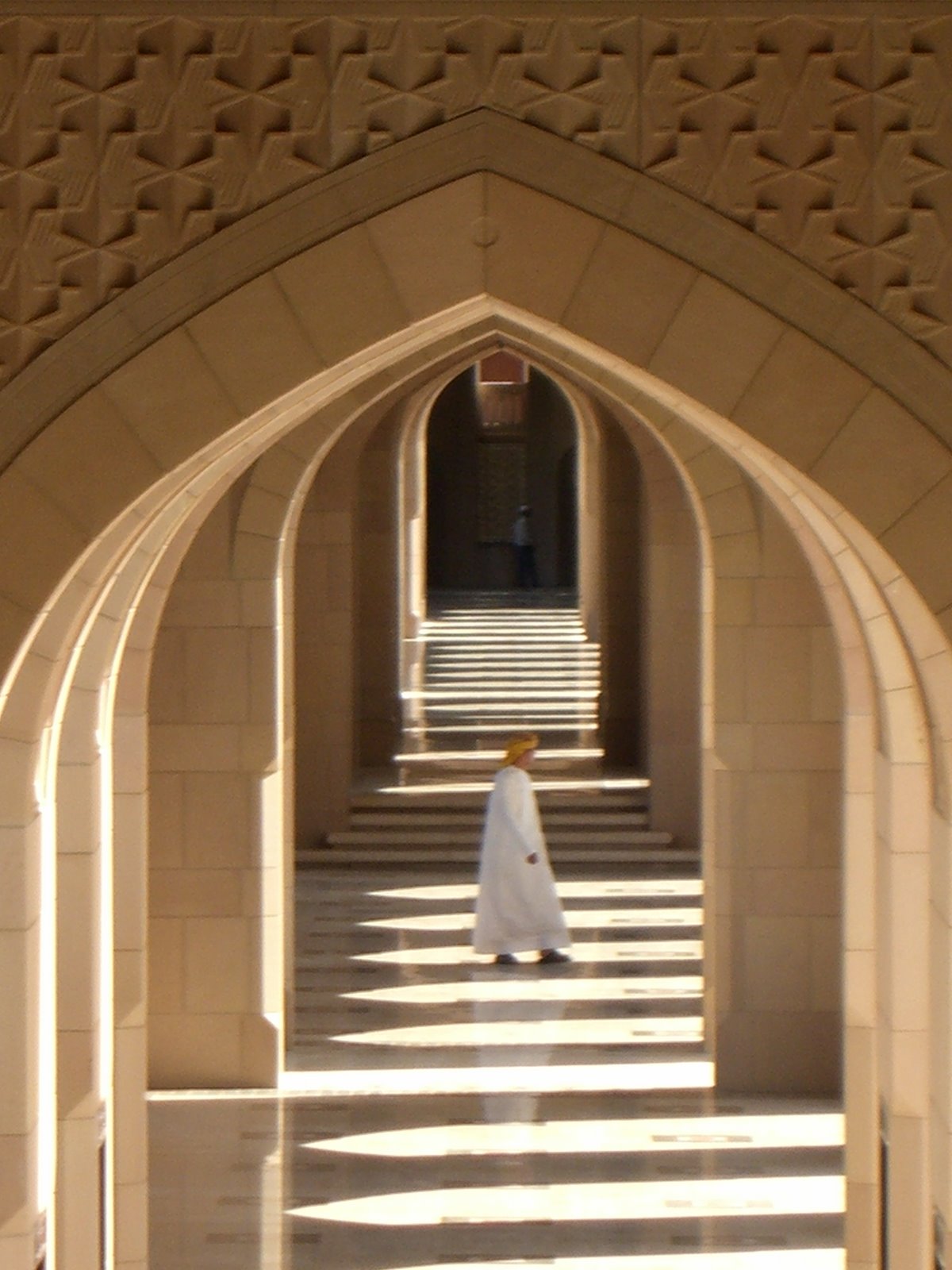
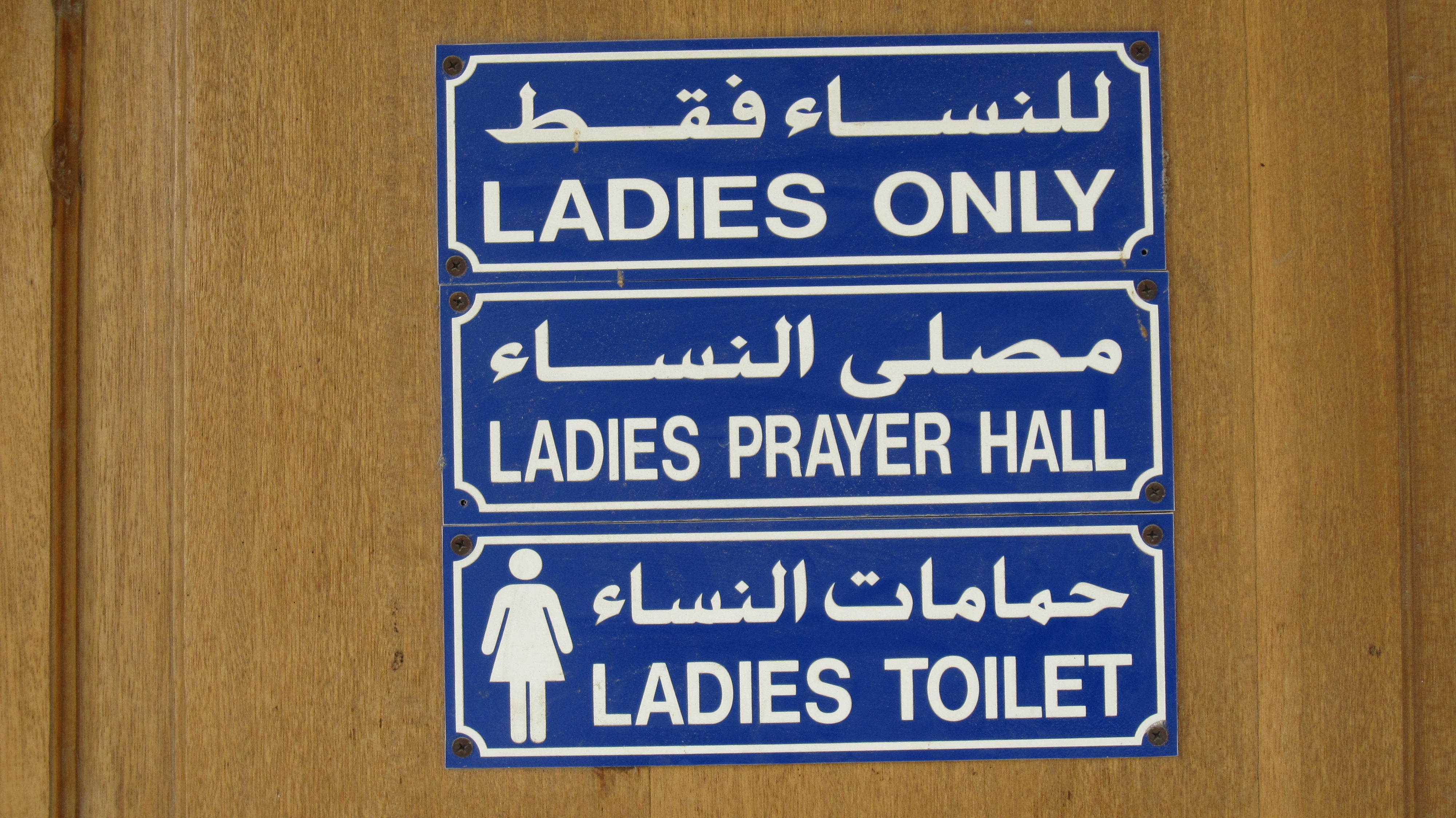
I am in the airport in Dubai, an intersection of many cultures. It is 12:10 p.m. The stirring chant of a muezzin’s Call to Prayer is reverberating in Arabic on loud speakers throughout the airport. “God is greatest. There is no God except God….” This Call occurs five or six times a day throughout the Muslim world. The exact times depend on the movement of the sun and are noted in the local newspapers each morning: just before dawn (Fajr) and again at sunrise (Shorooq), which counts as one prayer session, then  noon (Zuhr), afternoon (Asr), sunset (Maghreb) and night (Isha). I have come to enjoy this invitation to pause and reflect. Devout Muslims carry their prayer rugs with them, praying wherever they are, or they enter a mosque, removing their shoes and washing their feet first, with men and women going to separate spaces. There are Prayer Rooms in all malls, theaters, museums, and other public places. Hotel rooms have arrows on their ceilings pointing toward Mecca, the direction in which they pray. Some Arabs are secular, and just go about business as usual during the Call to Prayer. The chant ends, and the loudspeakers revert to easy-listening Western Music –specifically “All I Ask Of You” from “Phantom of the Opera”.  Such are the jarring disconnects that occur here. From the foreign to the familiar, the exotic to the ordinary.

The airport is sparkling clean, gleaming with glass and steel and modern gadgets. Laborers bustle about polishing the waste cans, sweeping the ramps alongside escalators, dusting all surfaces. Two South Asian women perched on a counter in the bathroom explain how to work the remote control hand-wave toilet flushers. An East Asian man drives a high-tech floor-mopping vehicle.  Behind me, new employees for Emirates Airlines, all women from the Philippines, are having a training session- in English. Where are the local workers? In fact, there are no Emiratis in menial jobs.  Emiratis  (like Qataris) comprise a mere 20% of the population in their home country and hold only “white collar” positions, mostly subsidized by the government.  In the airport, they are the ones who drift about, elegant and aloof, serving as security officials or in passport control. There are reports that Emiratis and Qataris have recently been given raises of 60% and over to keep them content during the unrest of the Arab Spring.

The juxtaposition of East and West is especially striking here, the first exposure to the Middle East for many travelers. Although at first glance, you could be in Paris or Chicago or any international airport, the scent of cardamom in the coffee, the sound of the muezzin, and the sight of Arabs in their Muslim gowns evoke the same sense of mystery that so enchanted the great Middle Eastern scholar and explorer, Gertrude Bell, in 1894.


Next Post:

What’s In A Name?

Visions of Utopia

“… the ethos of Dubai is all about building bridges to the outside world…about creating connections with different cultures…Dubai hopes to show young Arabs that there are alternatives to extremism.”

Sheikh Mohammed bin Rashid al Maktoum, Ruler of Dubai

Wall Street Journal, January 12, 2008

A city where people of all religions can live and work in peace and in safety.

A city that takes advantage of a lucky – and temporary- source of wealth by spending it quickly, even extravagantly, to create a better lifestyle for its citizens.

A city that wants to use its strategic location to become a world-wide tourist, entertainment, and business destination.

A city that honors ancient traditions while welcoming new ones.

In an interview on 60 Minutes in 2007, Sheikh Mohammed was asked, “Why are you trying to do all this so fast?” His response: “Why not?” Their countries were behind. They needed to catch up. So they went into fast forward mode. Why not?

The royal families in Dubai, Abu Dhabi and Qatar could have continued their own lavish lifestyles without paying any attention whatsoever to the ordinary citizens. Instead, they chose to build new cities and improve the standard of living for their people.

Here is more from “Sheikh Mo” in his editorial in the Wall Street Journal, January 2008:

 “We believe that helping to build a strong regional economy is our best opportunity for lasting social stability in the Middle East…the Dubai narrative is all about changing people’s lives for the better through smart capitalism, will power and positive energy.”

Post Credit Crisis: It is tempting to ridicule Dubai. After all, it has certainly promoted itself worldwide. Sort of like a “show off.”  There is a running commentary: “How can they build a city in a decade when Rome took centuries?” “It is like Las Vegas on steroids.” The more glitter and glitz, Dubai concocts- the tallest building in the world, the largest fireworks ever seen, largest mall in the world-the more many people dismiss it, not unlike disdain for the “nouveau riche.” I, too, harbored these same misgivings and some scorn. Now I have a different feeling. I admire the  Emiratis’ courage and daring, the boldness of their dreams, their perseverance in the face of wide spread skepticism.

Dubai was hit hard by the global economic crisis and is paying for over-extending itself. It made huge mistakes . (Haven’t we as well?) They have halted some of their ambitious projects. They face huge challenges. Some of the fancy new buildings are already having structural problems. The aquarium in the Dubai Mall  sprung a leak, which was hastily covered up in the local press. Apartments on Palm Jumeirah, where we lived, are beset with mildew.

The city is rebounding, however, and trying to address those issues.  From a distance, it is easy to demean such exuberance, such faith in the future, and such determination to prosper. When you are here, however, you are swept up in the energy. It can happen. It is happening.  And, I suspect that Dubai will continue to surprise us. Let us hope Sheikh Mohammed’s vision IS realized. Positive repercussions will flow far beyond the shores of tiny little Dubai…

Next post: Pausing at a Crossroads

Five Frequently Asked Questions

“It is really HOW and not WHAT one sees that matters…”

Freya Stark, Baghdad Sketches

1.Do you, as an expat, have to cover your head? -No. In Dubai, Qatar, Oman, Jordan, and all other Muslim countries EXCEPT Saudi Arabia, the only place it is required for all women, regardless of their faith, to cover  their heads is inside mosques. Non-Muslim women can wear their normal attire everywhere else, but it is appropriate to dress modestly.

2.Can a foreign woman in Dubai and Qatar go anywhere alone?-Yes.

3. Can a Muslim woman in Dubai and Qatar go anywhere alone?-Yes, I frequently see Emirati and Qatari women shopping and driving alone or with their children. They are, however, more likely to dine out with small groups of women  or their families rather than alone.

4. Is it expensive?  Yes and No. Real estate is expensive. Prices for food, clothing, and other amenities are comparable to what I am accustomed to paying at home. The cost of services, such as home cleaning, taxis, childcare, salon care, etc. are quite inexpensive, which is what gives the life of the expat the image of ease and luxury. People can afford domestic help, including chauffeurs, here, which would be unthinkable back in the United States. And, of course, the price of gasoline is cheap: 45 cents per gallon!

5. Are you ever afraid for your safety there?No.  Due to the more progressive attitudes toward women in this part of the Arab Gulf,  the family-oriented, slower-moving culture, a large security presence, and the no-tolerance policy on crime, which is strictly enforced, I am never uneasy in terms of my physical safety. It is much more dangerous in US, UK, and European cities!  What surprises most visitors to Dubai and Qatar is how clean and civilized these cities are.  Some would say sterile. A friend who visited us in Doha repeatedly commented on how “gentle” and cordial the people are, both the women and the men. There are exceptions, of course, but the general impression holds. Certainly there is an understory, however. The no-tolerance toward crime mentality has a dark side to it, for sure. And the English language newspapers undoubtedly cover up a lot of what goes on. Nevertheless, it is ironic that in a part of the world associated with terrorism and violence, we feel safe.

These questions reflect the stereotypes that Americans have about the Arab world in general. It seems that many people think that all Muslim countries are like Saudi Arabia, which receives much media attention. Before I lived here, I thought the same!

Next Post: Visions of Utopia

Back to the Future!

“To make room for the new…Yesterday never was and tomorrow was here already…These people had the good sense to let the future happen.”

David Lamb, 1987

Pre Credit-Crisis.  First impressions. October 2007.  It is my first visit to Dubai.  We drive along Sheikh Zayed Road, a 12-lane highway that whizzes through the city. There is a huge banner at the beginning of it: “Welcome to the Future.” Indeed this is a space age city. Astonishing architecture. An elevated metro. Focused commercial districts such as Dubailand, Knowledge City, Media City, and Internet City. Water Parks. Massive malls including ski slopes, Olympic size ice rinks, full-size aquariums and underwater zoos.


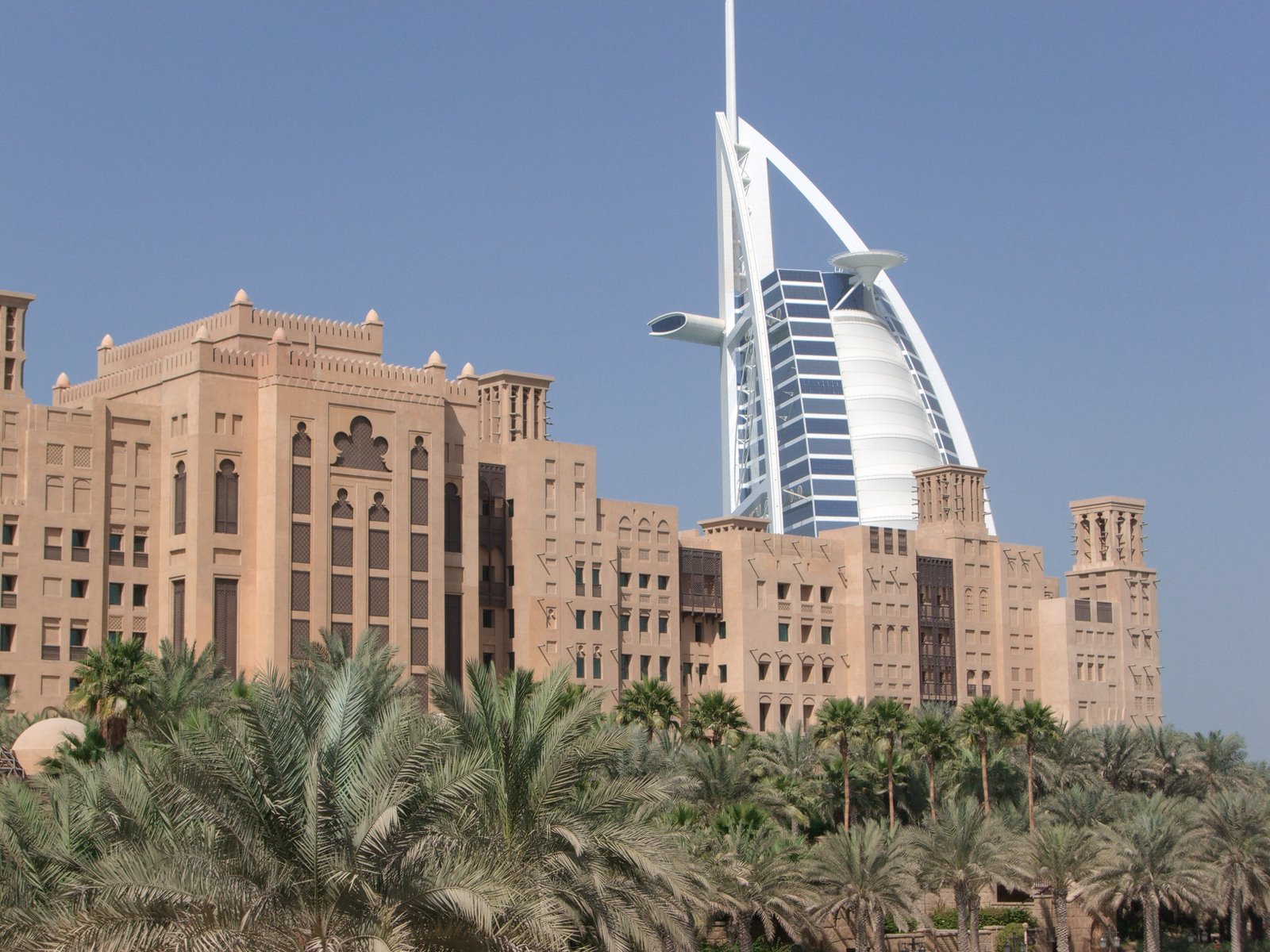
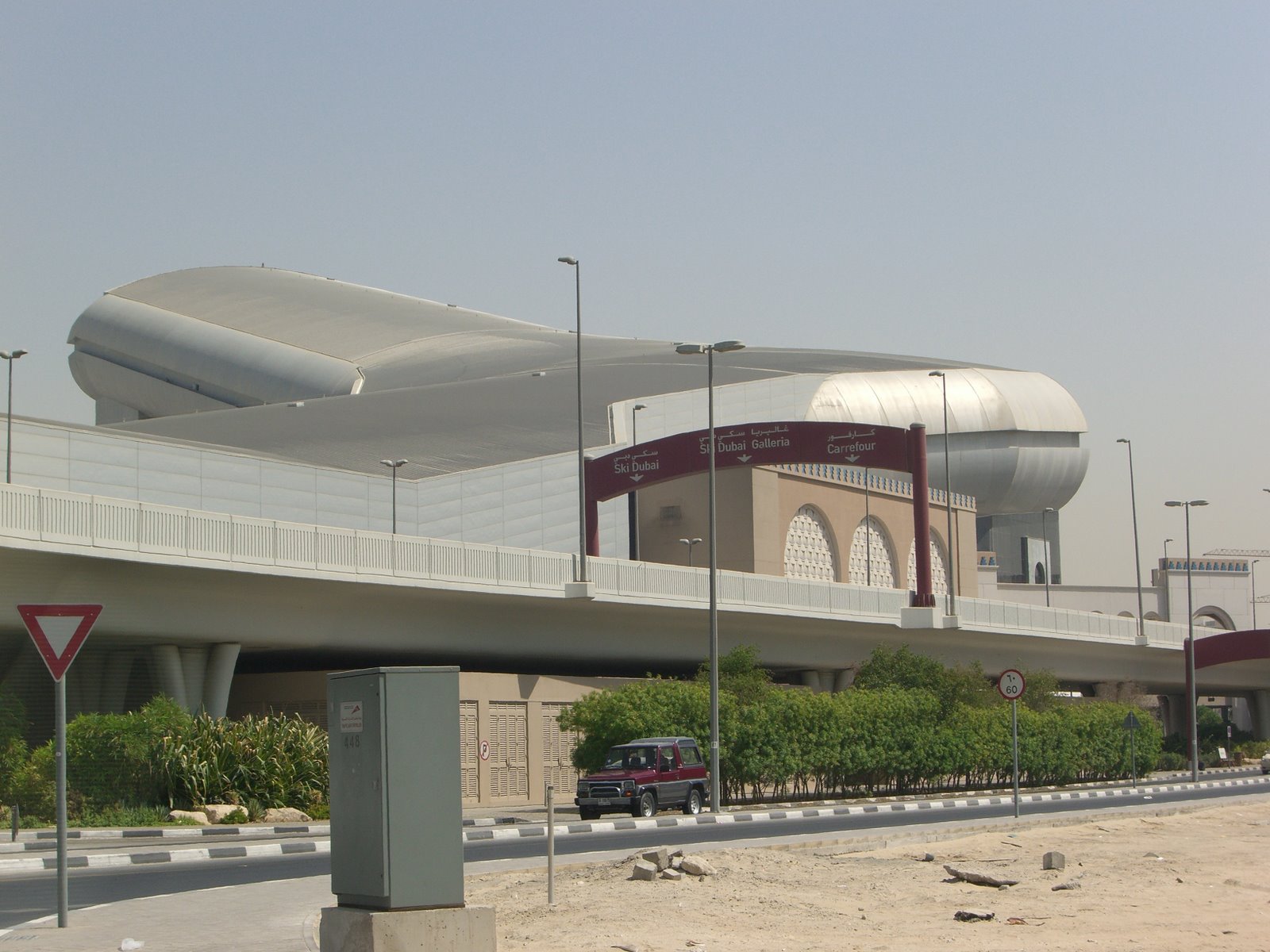
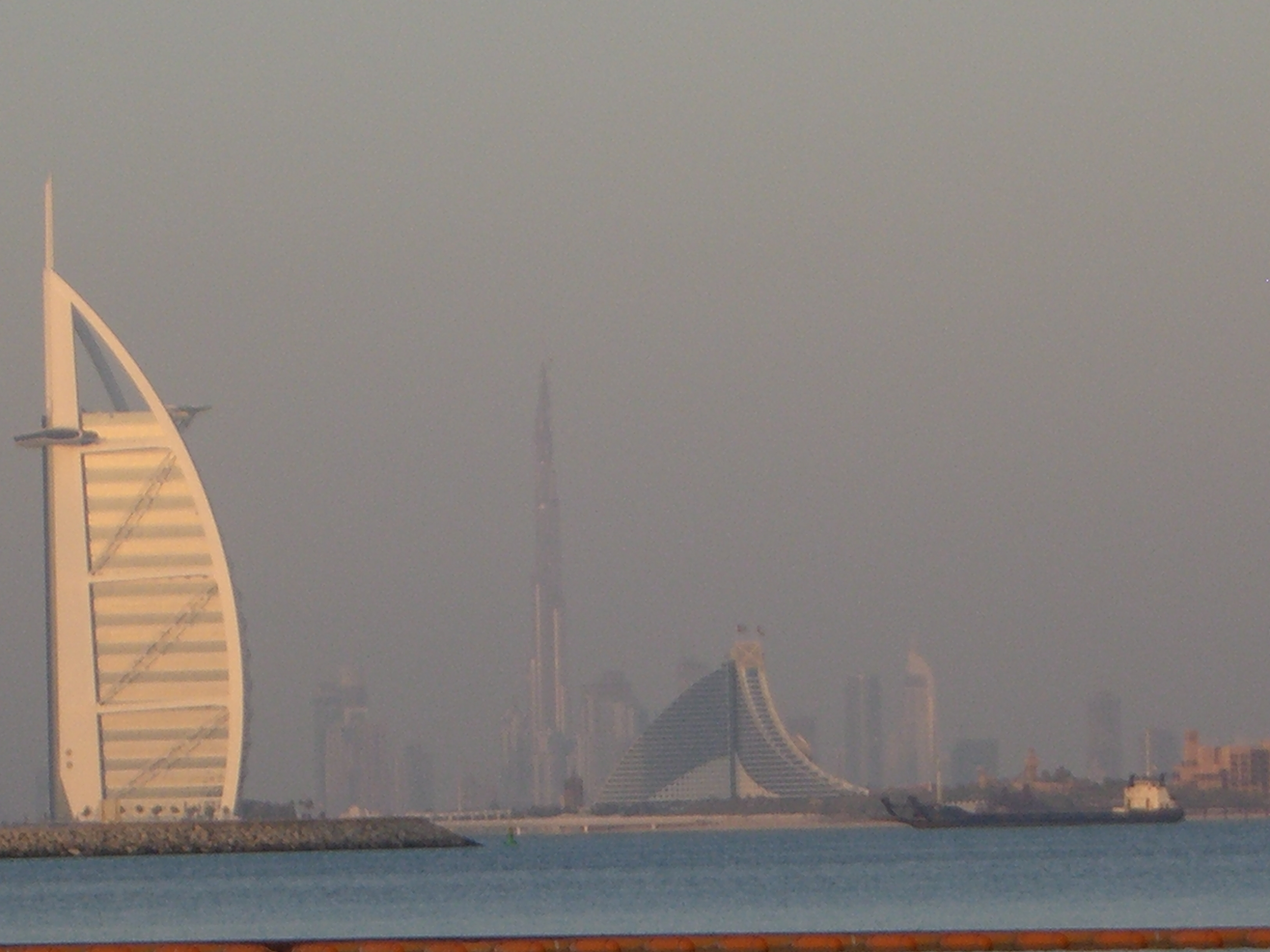
Man-made islands  (“reclaimed land”) shaped like Palm Trees and a map of the world. My husband points out the hotels shaped like the sail of a dhow- Burj (tower) al Arab – and a sea wave- Jumeirah Beach Hotel. Then we see the exterior shell of the indoor ski slope. It seems like a fantasyland, a stage set. I feel like I am Alice in Lego Land.

Other up-beat, national pride signs appear throughout the city: “Euphoria”, “Live Like a Star”, “Bathe Yourself in Tranquility”, “My City, My Metro”,  “Dubai Is Beautiful. Please Keep It Clean,” “Where Dreams Take Flight”, “Surprising Dubai”.  Simplistic? Naive? Maybe. But these goals are all  worth pursuing, worth proclaiming.

The engineering feats here are already legendary internationally. The buildings are as shiny as polished sterling silver.  And, yes, I am most definitely dazzled as I absorb the scale and the pace of this place, which throbs with energy. Especially when I back up a bit and ponder the context…

 In 1932, oil was discovered in Bahrain.

According to David Lamb in The Arabs- Journeys Beyond the Mirage, the literacy rate in this area at that time was 0%  I repeat. 0%.  Schooling consisted of boys learning to recite the Qur’an. All learning was passed along orally.

Dubai was a small village surviving on fishing and pearl diving.

The ruler of Abu Dhabi lived in a mud hut.

In 1968 there were fewer than 20 cars in Dubai.

In 1970, Sheikh Zayed founded the United Arab Emirates, a group of seven states, including Dubai and Abu Dhabi, which had previously been rival Bedouin tribes. This country is thus less than 50 years old.

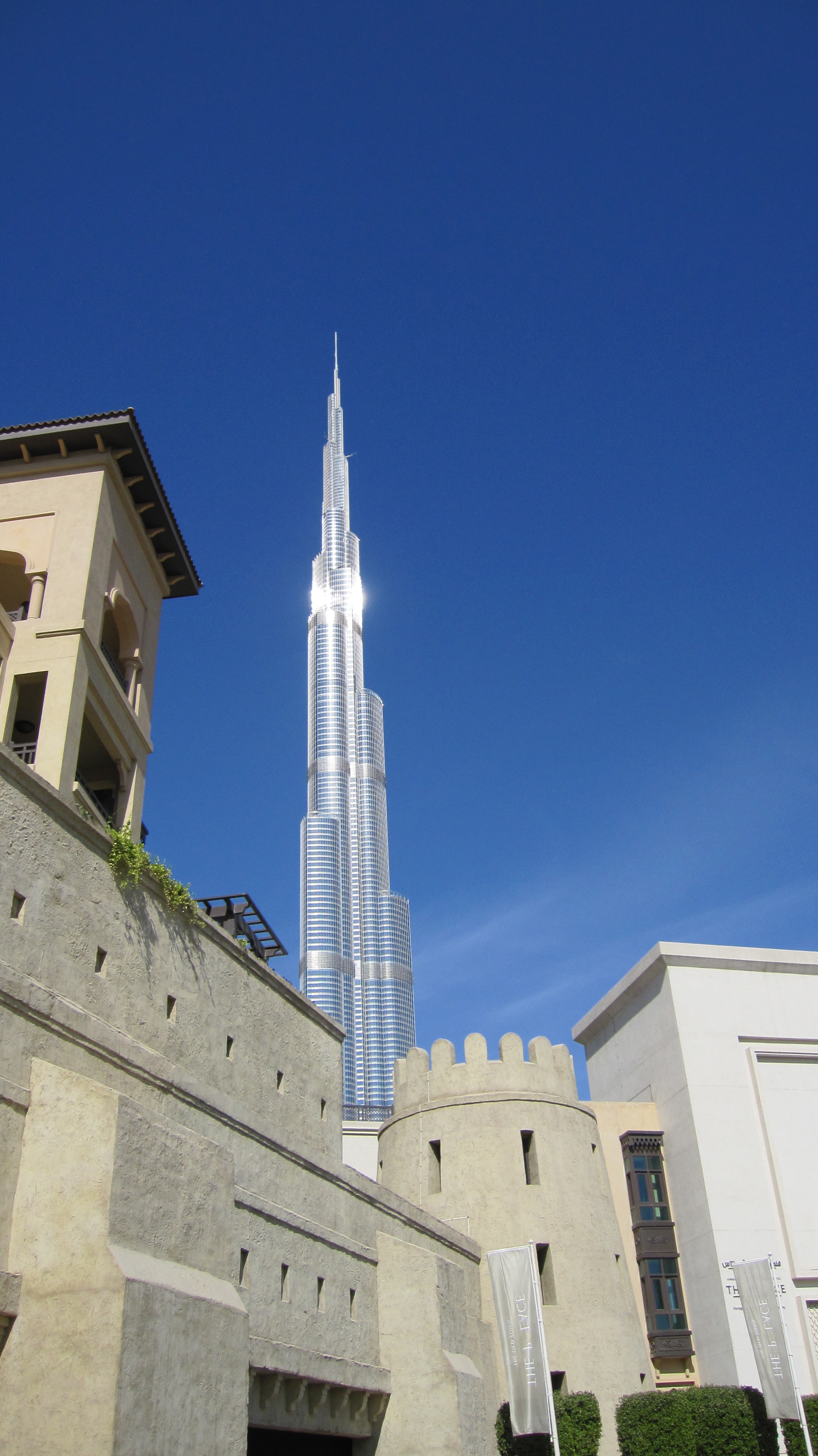
Like a mythic creature, Dubai literally sprang out of the desert, fueled by a source of unexpected wealth and the imaginations of a few tribal leaders, empowered by the Bedouin mentality of grit and daring. Indeed nothing seems impossible to them. This part of the Arab world had few tangible relics of culture and history to preserve.  Remember, it was all a DESERT. So they proceeded to go about creating their future and their past at the same time. One part of Dubai, adjacent to the world’s tallest building, the needle-shaped Burj Khalifa, is meant to resemble the mud-dwellings of the past. It is called “Old Town.” Except it is brand new. My husband and I were amused comparing that sign to one we saw  posted in London in the Chambers compound at Lincoln Field , naming the “Old Buildings” as only those over  300 years old!
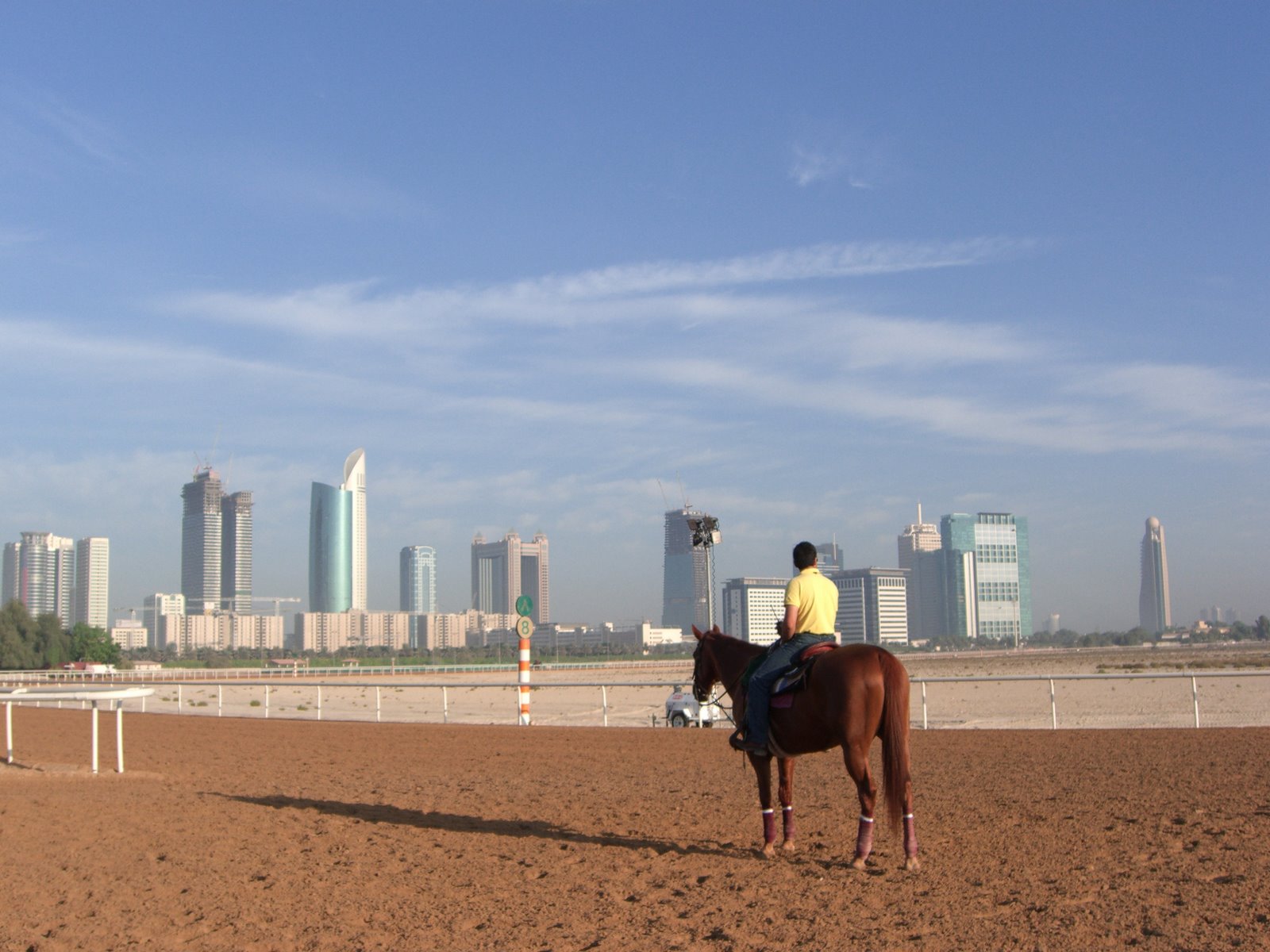
“Old Town” in Dubai is six months old. We are living in a weird time warp here! But it is all just a matter of perspective…And there is something fascinating about living in a city while it is being built.


“The winds that build the dunes blow dreams into the minds of men.”

Toni Briegel,

Next post: Five Frequently Asked Questions

Sand Sifter

“This is my first journey across the desert; I have no useful knowledge.”

Freya Stark, Baghdad Sketches, 1932


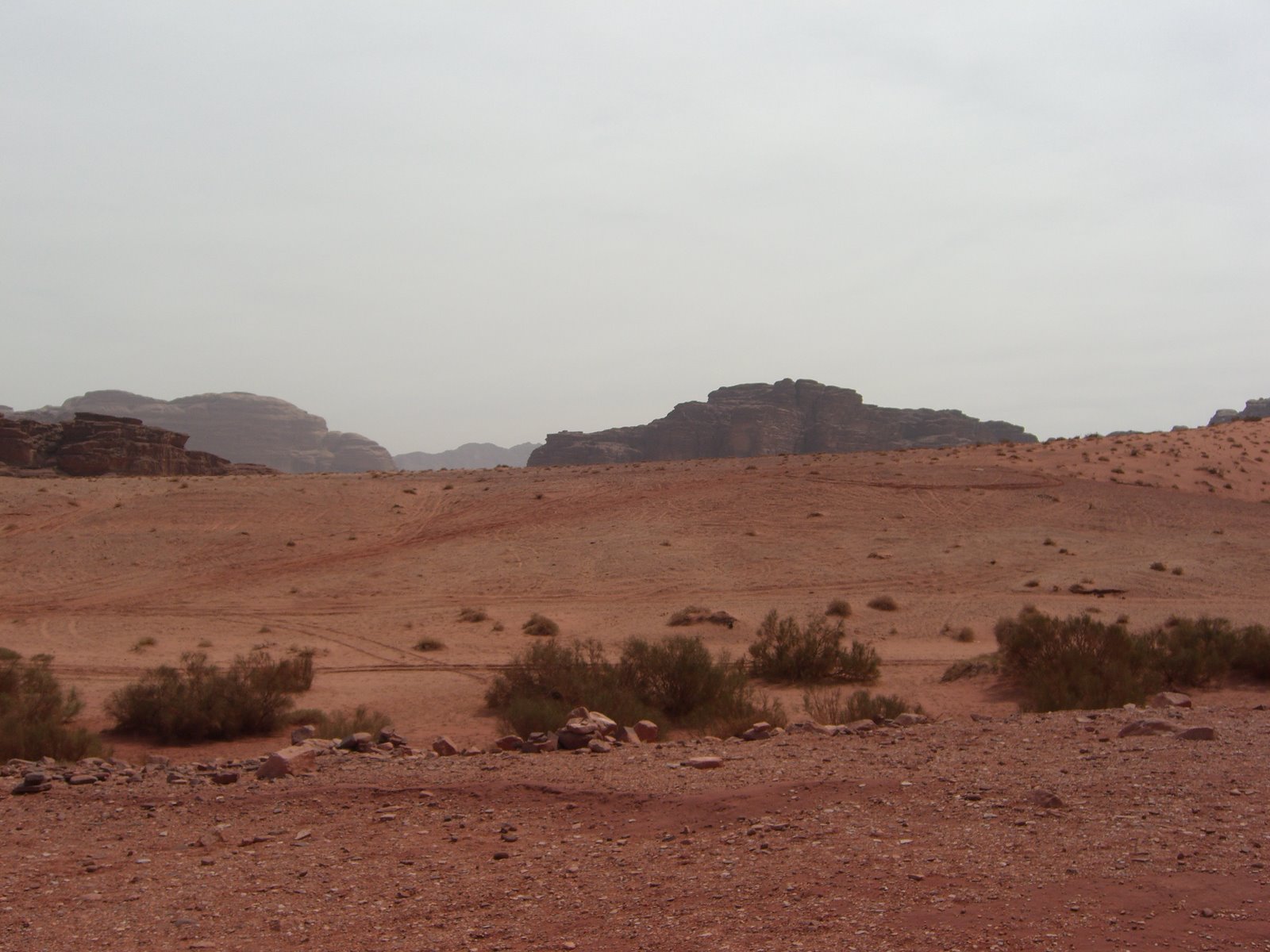
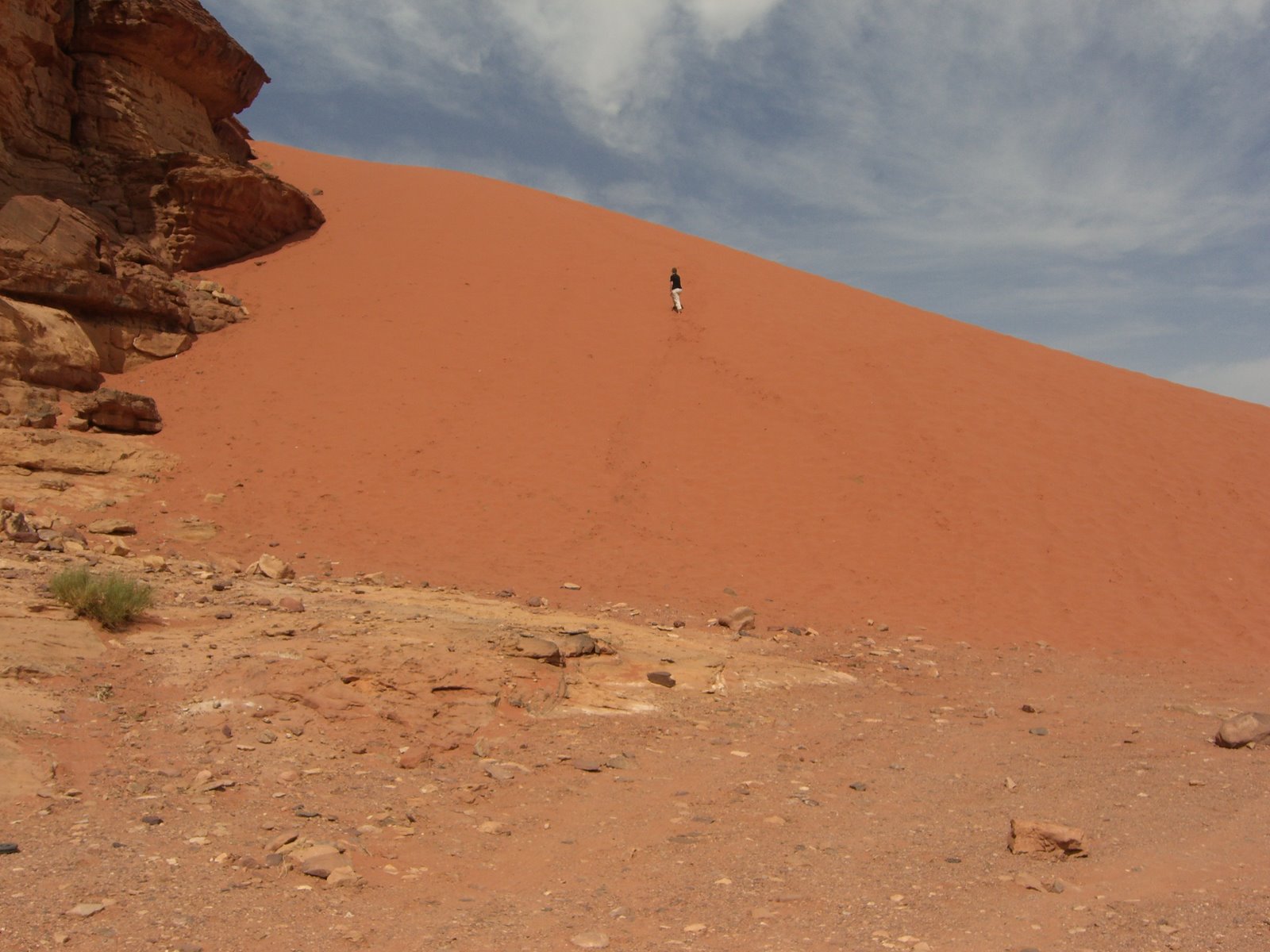
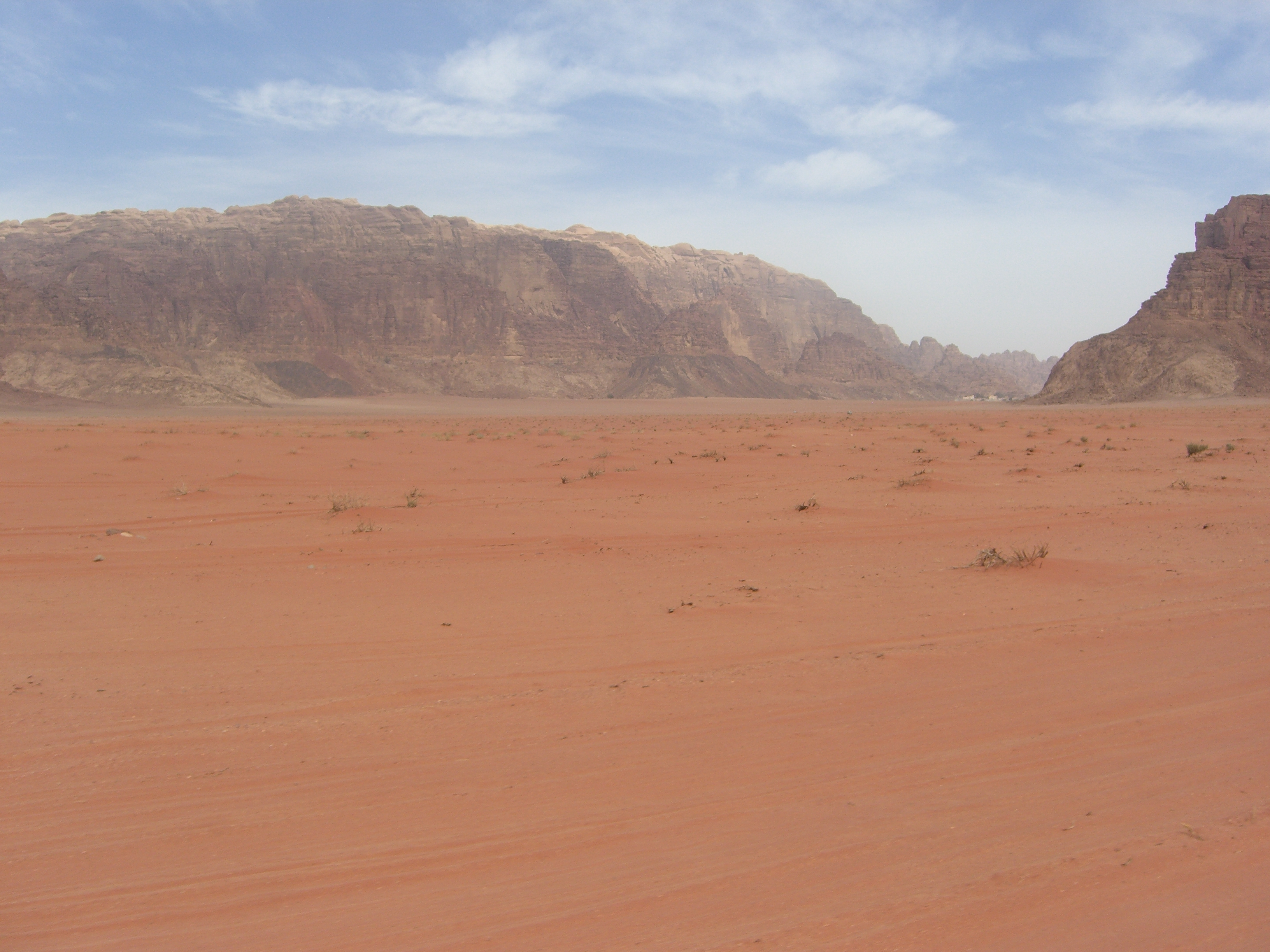
On first glance, the sands of the Arabian Desert are a flat expanse of bleached beige. But as the sunrays and shadows shift, and you venture deeper and deeper, countless colors and contours reveal themselves.  A palette of muted hues evoking the spices of the East: curry, saffron, and cardamom.  The dazzle of gems and minerals embedded within the earth’s core: quartz, amber, and copper. And what begins as an even surface, a simple spread, twists and folds into an elegant fabric of pleated satin and suede, sliding up and down dunes of dizzying heights.

The desert, with its fusion of tints and shapes, bold yet subtle and surprising, mirrors the complexity of the Arab world. Both are multi-layered and multi-textured, defying boundaries, constantly shifting, simmering with a sturdy life force- a coarse brutality softened by wind song, moon shine, and star light.

It is not my purpose in this blog to discuss the conflicts that seethe in the Middle East. Here is where I landed for a little while, at a historical moment in time. I am an outsider, which is humbling, for it challenges me to see with new eyes and a sense of wonder, without judgment or agenda. There is something to learn every single day, no matter the setting. It is liberating and energizing to be an anonymous observer. I am curious about the unique customs of different countries. Even more, I am interested in the lives of ordinary people, the similarities among us…for, ultimately, we are all like the desert dwellers, the Bedouins, charting our course from day to day.

“Every Bedouin, every traveler, must become a philosopher.”

Toni Briegel, Soul of Sand, 2002

Next Post: Back to the Future!


Traveling Inside Out

“No man can live this life and emerge unchanged. He will carry, however faint, the imprint of the desert, the brand that marks the nomad…This cruel land can cast a spell which no temperate clime can match.”  

T.E. Lawrence, Seven Pillars of Wisdom, 1935


I begin a journey
across oceans and deserts,
to modern cities
in ancient lands,
into the world of  caliphs and jinns…
mega-malls and hyper-markets,

a journey
among bedouins and sheikhs, souqs and dhows,
minarets, chedis, abayas and dishdasha,
moving to the cadence of the muezzin call to prayer
and the aroma of cardamom, coriander, and cumin.


a journey
to the birthplace of civilization,
a crossroads,
a trade route,
a collision point,
a war zone.

I begin a journey                                            
across continents and cultures
into the past and the future,
beyond distant horizons
into my soul.

Next Post: Sand Sifter

Post Navigation